About All ToursFrom Cusco ToursFrom Ollantaytambo ToursATV ToursAnd Machu Picchu ToursFrom Urubamba ToursPrivate ToursAnd Rainbow Mountain ToursMaras Moray Tours Directions Hours & Fees
Find Tours 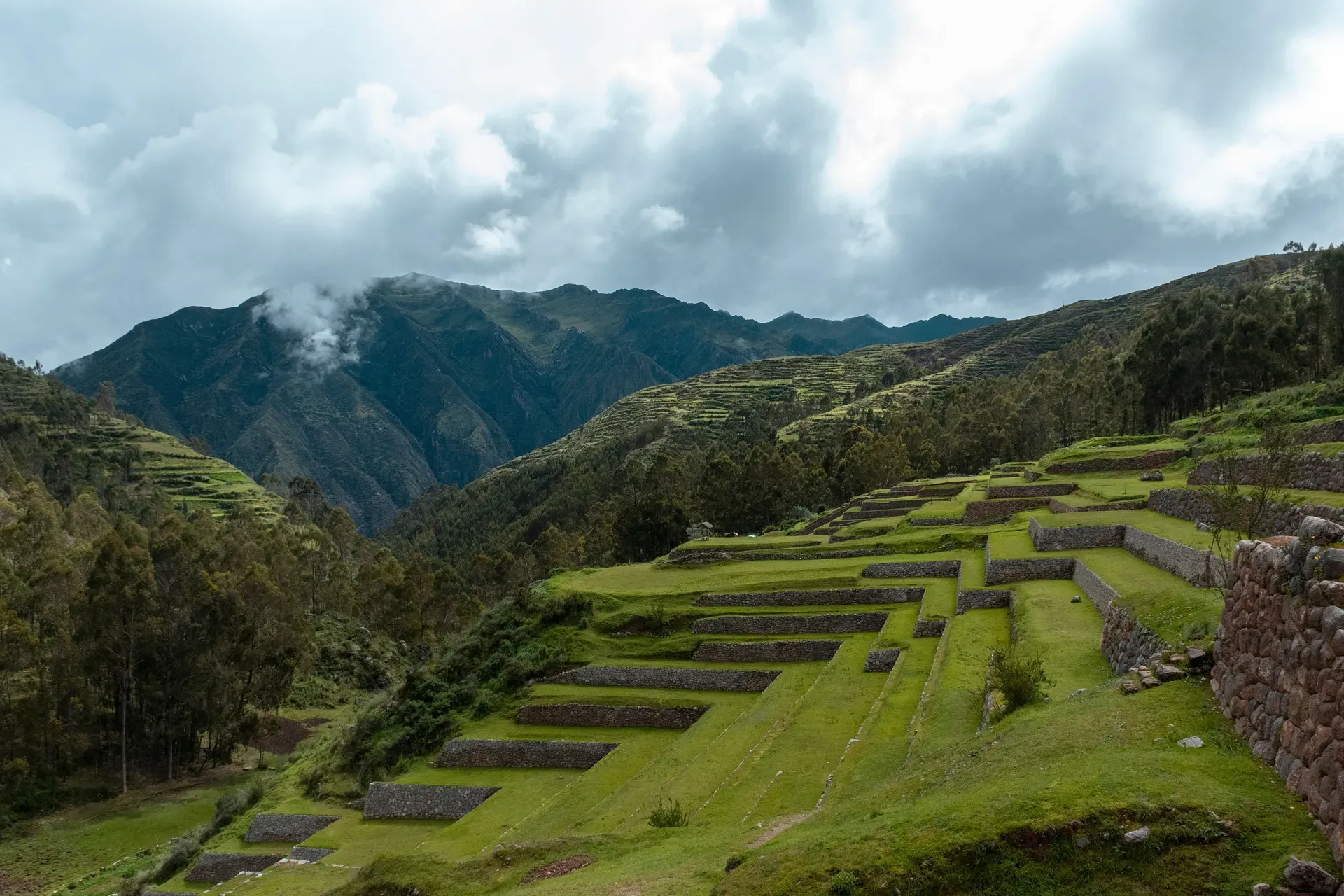
Visitors reach this 62-mile valley north of Cusco primarily by hiring a private taxi for the 90-minute drive. Budget transit relies on local colectivos departing from Avenida Huayruropata, costing around 20 Soles.
Sacred Valley of the Incas, Cusco Region, Peru
Daily train services by PeruRail and Inca Rail cover the 30-mile route from Cusco and Ollantaytambo toward Aguas Calientes. The tracks follow the meandering Urubamba River past ancient agricultural terraces, steep Andean rock walls, and traditional Quechua-speaking villages. Standard tickets cost around $65 to $75, while luxury carriages exceed $500. Passengers sit comfortably at a lower elevation of 9,000 feet, making the journey an effective way to acclimate before heading higher into the mountains. Heavy rains force the Poroy station near Cusco to close entirely from January through April, meaning you must book your rail departures directly from the Ollantaytambo station during these four wet months.
Ninety minutes is all it takes for a private driver to cover the 62-mile route from Cusco to Ollantaytambo. A half-day hire for up to four passengers costs roughly 100 Soles, typically including strategic stops at the circular agricultural terraces of Moray and the 5,000 salt-evaporation ponds of Maras. Travelers can easily split the fare, making it highly economical for small groups. Mountain roads present serious hazards, and local drivers frequently ignore pedestrian crossings or traffic rules. Ask your accommodation to arrange a reliable driver to lock in a safe, fixed price and avoid the stress of haggling in the town squares.
Regular shared vans depart from Avenida Huayruropata in Cusco, heading toward valley towns like Urubamba and Sicuani. Vehicles wait until all seats fill before taking about two hours to cover the 50-kilometer distance. Fares run between 15 and 20 Soles per person, providing the most economical public transit option for independent travelers. Petty theft and pickpocketing remain common risks at these busy transit hubs, with thieves frequently targeting distracted tourists carrying large backpacks or expensive electronics. Keep your valuables secured in a front-facing bag and avoid displaying your phone or camera while waiting to board your colectivo.
Customized guided excursions navigate the 62-mile valley floor, handling all transit between major archaeological ruins like Pisac, Chinchero, and Ollantaytambo. This completely eliminates the need to navigate hazardous mountain roads or flag down passing colectivos. Accessible operators specifically tailor gentle routes for elderly or wheelchair travelers, ensuring safe access to flat sites like the Maras salt pans. You will need to purchase the Cusco Tourist Ticket for 130 Soles to enter the sites. Schedule your departure between 7:00 AM and 8:00 AM to beat the large tour crowds that arrive later in the day.
Steep footpaths connect remote valley sites completely inaccessible to vehicles. A somewhat challenging hour-long hike north of Chinchero leads directly to the 30-meter Catarata Poc Poc waterfall. Further along the valley wall, a multi-hour trek starting from Lamay climbs to the Huchuy Qosqo ruins, where travelers often find the entire ancient complex completely to themselves. Pack flexible layers, a high-quality rain jacket, and slip-resistant footwear to handle the rapidly shifting weather. Morning departures start cold, but the midday Andean sun quickly becomes exceptionally strong, making sun protection and layers essential for the trail.
Travelers rely on private drivers rather than parking personal vehicles, with half-day hires dropping off at Ollantaytambo costing around 100 Soles. Taxis stop directly at flat, wheelchair-accessible sites like the Maras salt pans and the Moray viewpoint. Hillside ruins like Pisac offer no such access, requiring visitors to navigate steep stone steps after drop-off.
| From | Mode | Time | Cost | Tip |
|---|---|---|---|---|
| Cusco City Center | Private Taxi | 01:30 | S/. 80.00 - S/. 100.00 | Ask your accommodation to arrange the driver to avoid haggling, and request a half-day stop at Moray and Maras before your Ollantaytambo drop-off. |
| Cusco (Av. Huayruropata) | Local Van / Colectivo | 02:00 | S/. 15 - S/. 20 | Shared vans depart regularly for Urubamba and Sicuani. This is the cheapest transit option for independent travelers. |
| Poroy Station | Train | 03:30 | $65 - $500+ | PeruRail and Inca Rail suspend service here from January to April due to track maintenance and heavy precipitation. |
| Ollantaytambo | Train | 03:30 | $65 - $500+ | Shift your departure to this station between January and April when Poroy shuts down for weather. |
Rain and track maintenance shut down the Poroy train station near Cusco from January through April. Book your rail tickets to depart directly from the Ollantaytambo station during these wet months.
Shared vans called colectivos offer the cheapest transit to towns like Sicuani or Urubamba. Head to Av. Huayruropata in Cusco and pay S/. 15 to S/. 20 for the two-hour ride. Keep your valuables secured in a front-facing bag to prevent pickpocketing in these crowded transit hubs.
Ask your accommodation to arrange a private driver to avoid haggling in town squares. Hiring a driver for a half-day trip stopping at Moray and Maras before dropping you in Ollantaytambo costs approximately 100 Soles. Local drivers sometimes ignore traffic rules, so relying on vetted hotel contacts reduces your risk on mountain roads.
Head straight to the Sacred Valley upon arrival to minimize altitude sickness. The valley floor sits at 9,000 feet, significantly lower than Cusco's 11,150 feet. Resting here for your first few days helps your body adjust before tackling higher elevations.
Plan to reach archaeological sites between 7:00 AM and 8:00 AM. Large tour groups flood the ruins after 10:00 AM, making movement difficult on steep stone stairs. Arriving at dawn guarantees you space to walk and captures the morning light hitting the ancient masonry.
PeruRail and Inca Rail run services from Cusco, Poroy, and Ollantaytambo. Standard tickets cost $65 to $75 for the 3.5-hour trip. The Poroy station closes from January through April for track maintenance, forcing departures from Ollantaytambo during those wet months.
Local shared vans, known as colectivos, cost 15 to 20 Soles per person. Vehicles depart regularly from Avenida Huayruropata in Cusco, heading toward Urubamba and Sicuani. The 50-kilometer ride takes about two hours.
A direct ride costs 80 to 100 Soles and takes 90 minutes. Drivers will transport up to four passengers across the 62-mile valley route. Ask your accommodation to arrange the pickup to secure a fixed price and avoid haggling in the town squares.
Hiring a private driver for a half-day transit tour costs around 100 Soles. This allows you to stop at the Moray terraces and the Maras salt pans before your final drop-off. Keep 10 Soles in cash handy for the separate Maras entrance fee.
Do not hail random street cabs after dark. Mountain roads present hazards, and local drivers frequently ignore traffic rules and pedestrian crossings. Use official ride-hailing apps or pre-arranged transport services.
Leave between 7:00 AM and 8:00 AM. Early departures put you ahead of the large tour buses that flood the sites after 10:00 AM. Morning light also improves photography at the ruins.
Heading directly to the valley floor at 9,000 feet helps mitigate altitude sickness. Cusco sits significantly higher at 11,150 feet, which often triggers headaches and nausea. Spending your first few nights in towns like Urubamba or Ollantaytambo allows your body to adjust gradually.
Browse verified tours with free cancellation and instant confirmation.
Find Tours