About All ToursFrom Cusco ToursFrom Ollantaytambo ToursATV ToursAnd Machu Picchu ToursFrom Urubamba ToursPrivate ToursAnd Rainbow Mountain ToursMaras Moray Tours Directions Hours & Fees
Find Tours 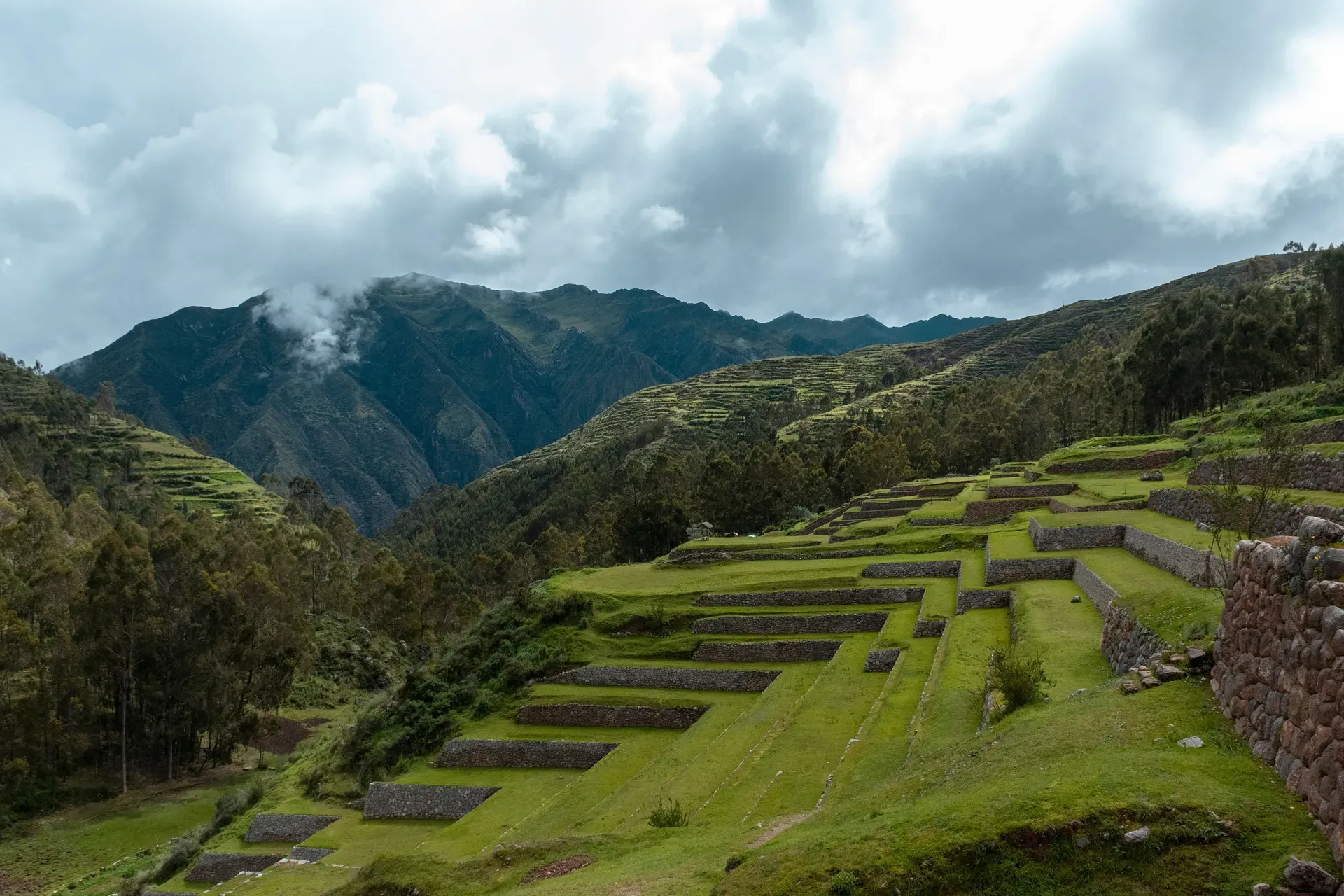
Explore the ancient Inca highlights of the Sacred Valley with convenient private tours departing directly from Urubamba. Choose from full-day historical excursions to Ollantaytambo and Moray, or enjoy hands-on Peruvian cooking classes with a local host.
 Free Cancellation
 A private full-day tour through the Sacred Valley’s Incan ruins, salt mines, and traditional weaving workshops.
 Free Cancellation
 Explore Incan ruins, salt mines, and traditional weaving on a private, flexible journey through the Sacred Valley.
 Free Cancellation
 Explore ancient Inca fortresses and traditional Andean villages throughout the historic Sacred Valley.
 Free Cancellation
 Cook classic Peruvian staples like ceviche and lomo saltado with Diego in his private outdoor kitchen.
 Free Cancellation
 Explore the circular agricultural terraces of Moray and the ancient salt ponds of Maras on this 90-minute tour.
Read what travelers share about their experience visiting Sacred Valley — from practical tips to personal highlights.
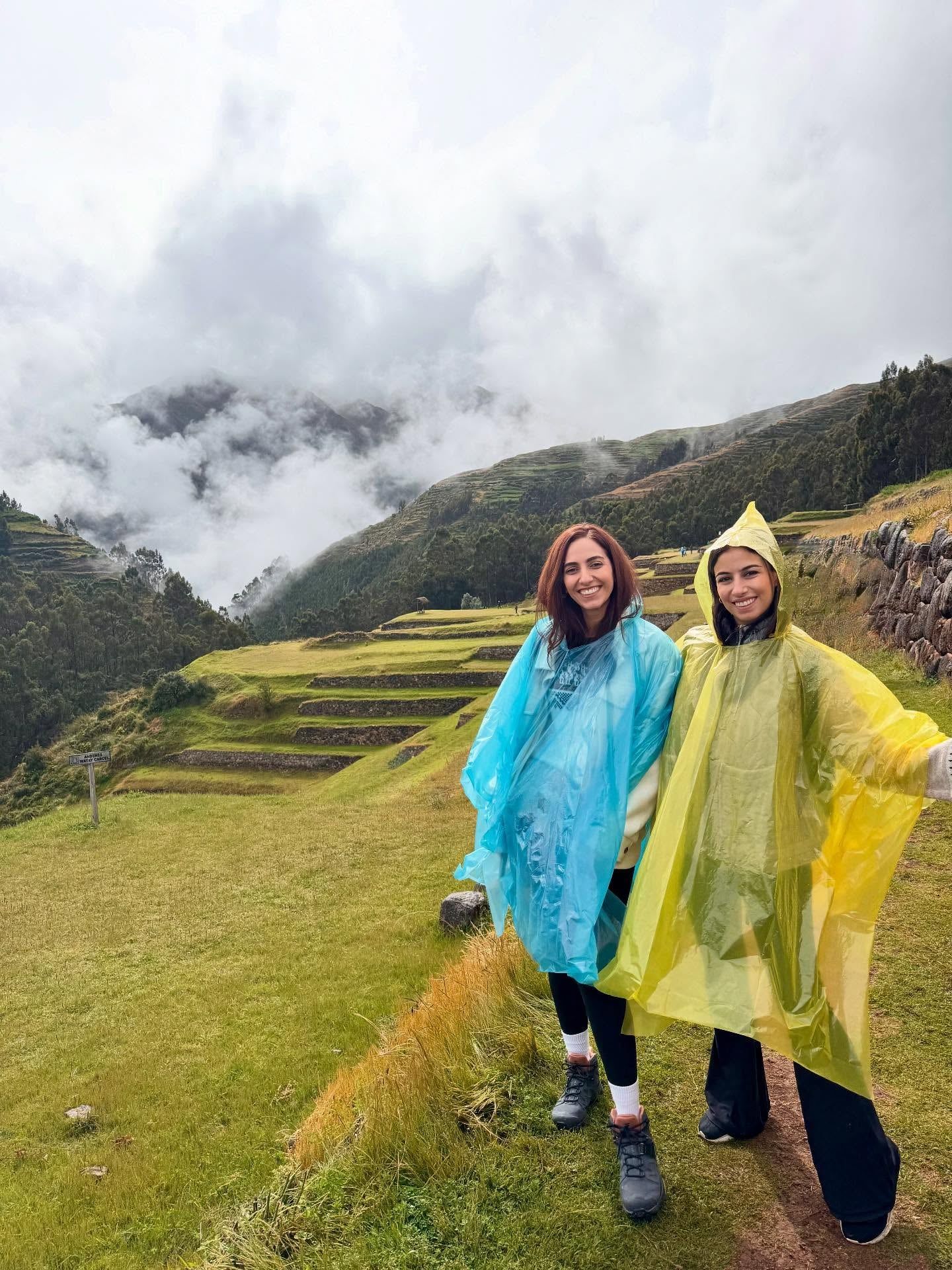
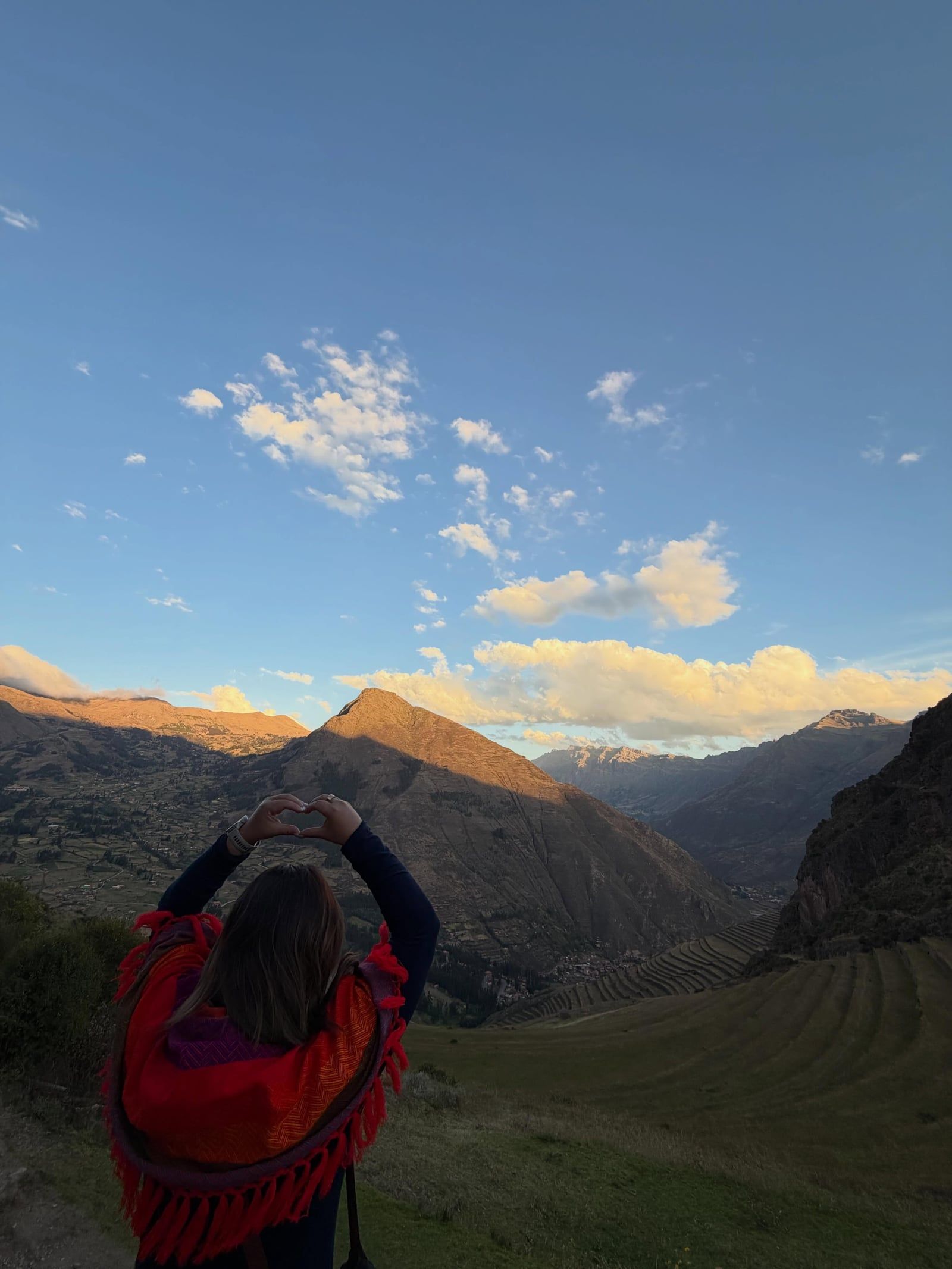
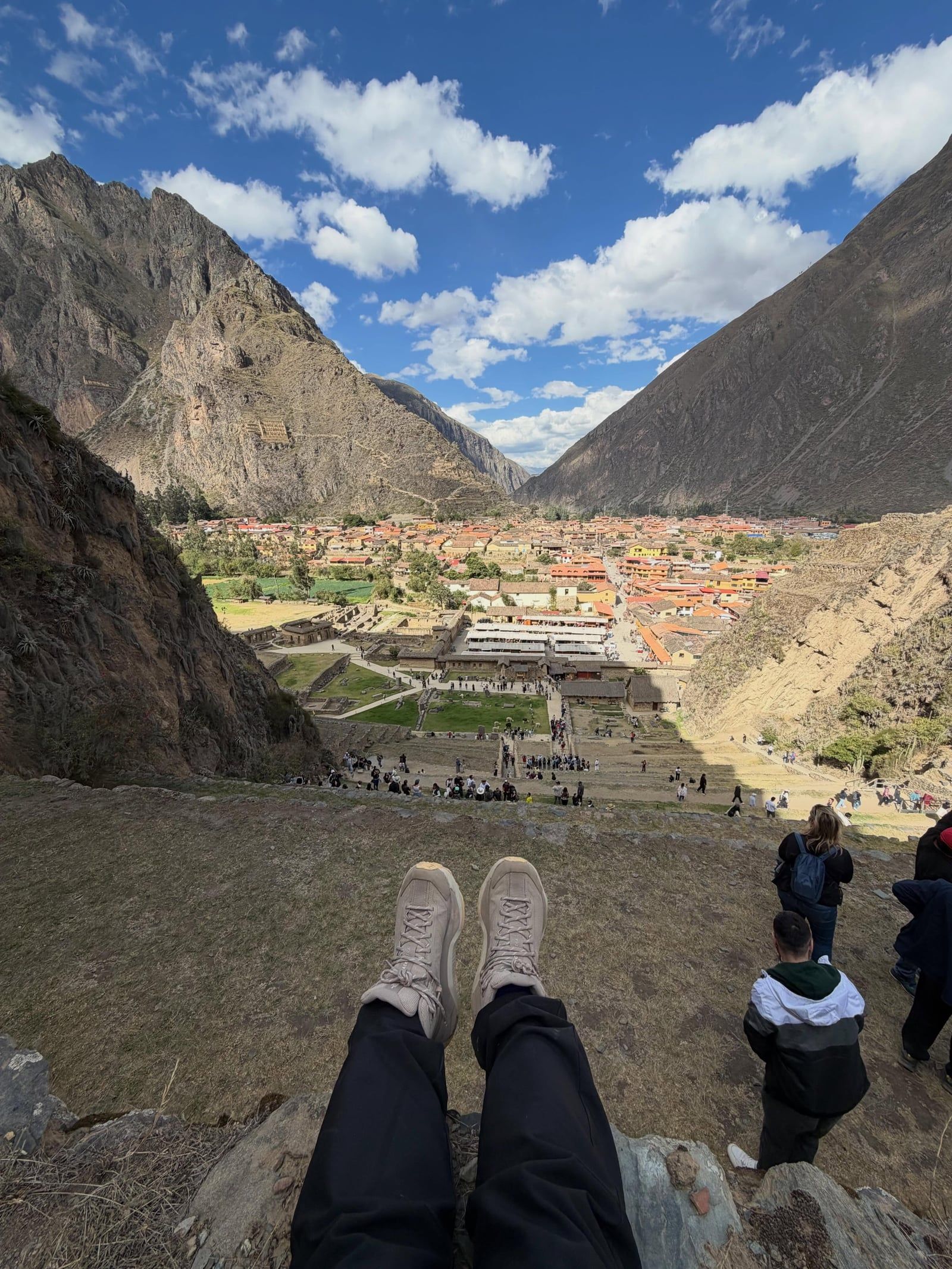
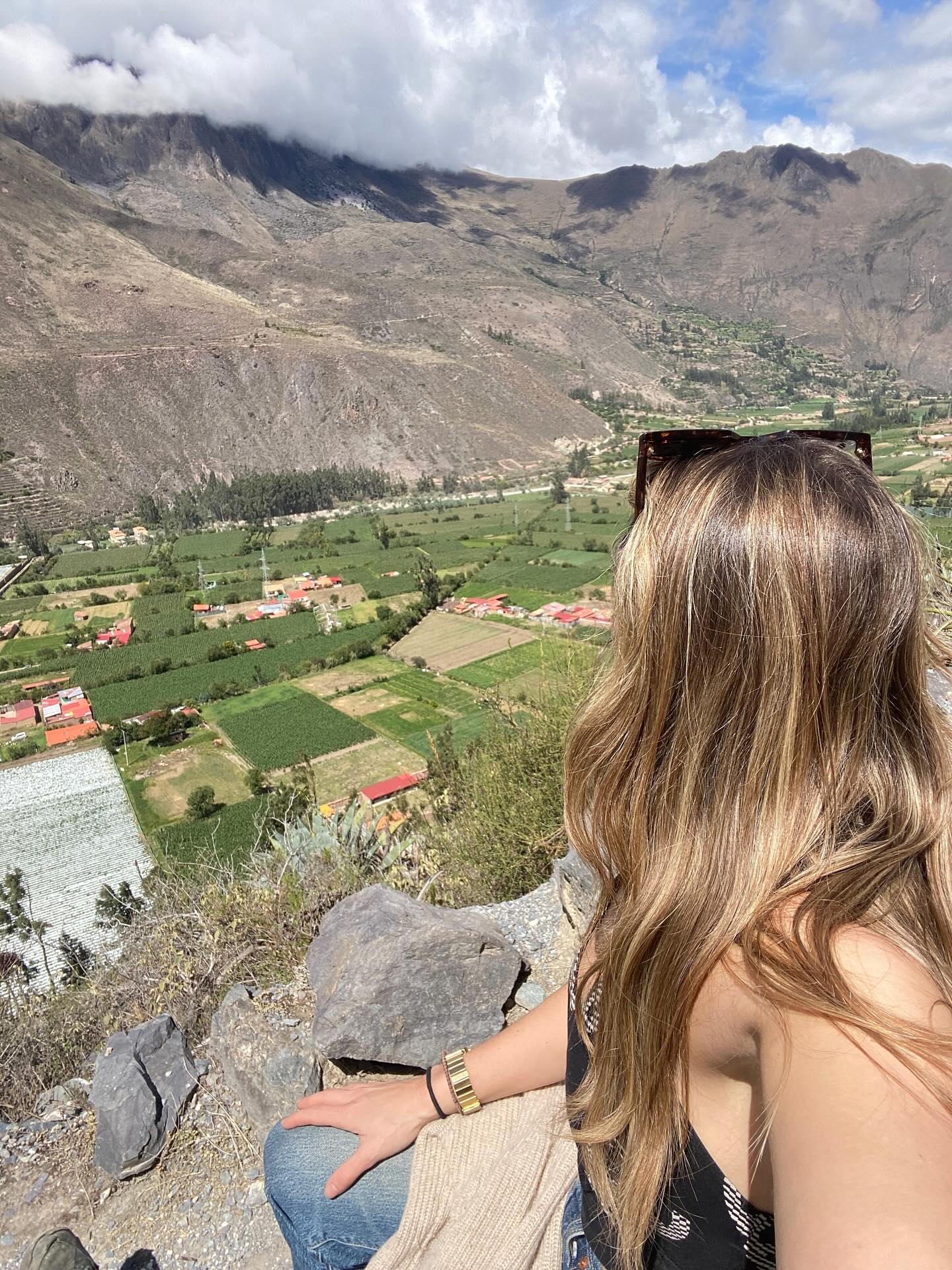
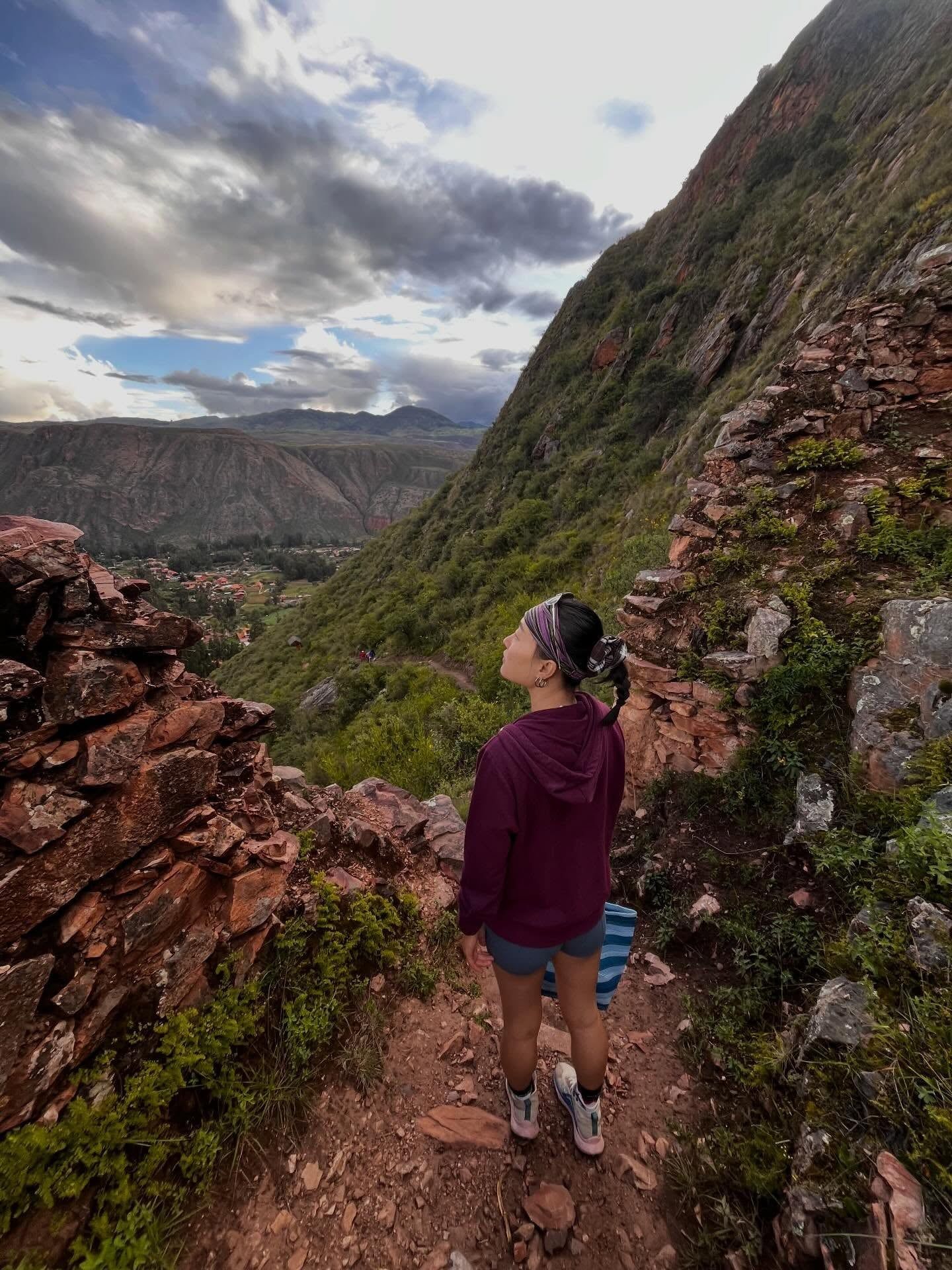
Starting your Sacred Valley tour from Urubamba offers a massive advantage: you are already in the heart of the valley. Sitting at a lower altitude than Cusco, Urubamba is the perfect launchpad to explore ancient Incan agricultural labs, massive stone fortresses, and vibrant indigenous markets without the long drive from the city.
Climb the massive stone steps of this spectacular Inca fortress built into the steep mountainside. It serves as a brilliant example of advanced Incan urban planning and military architecture.
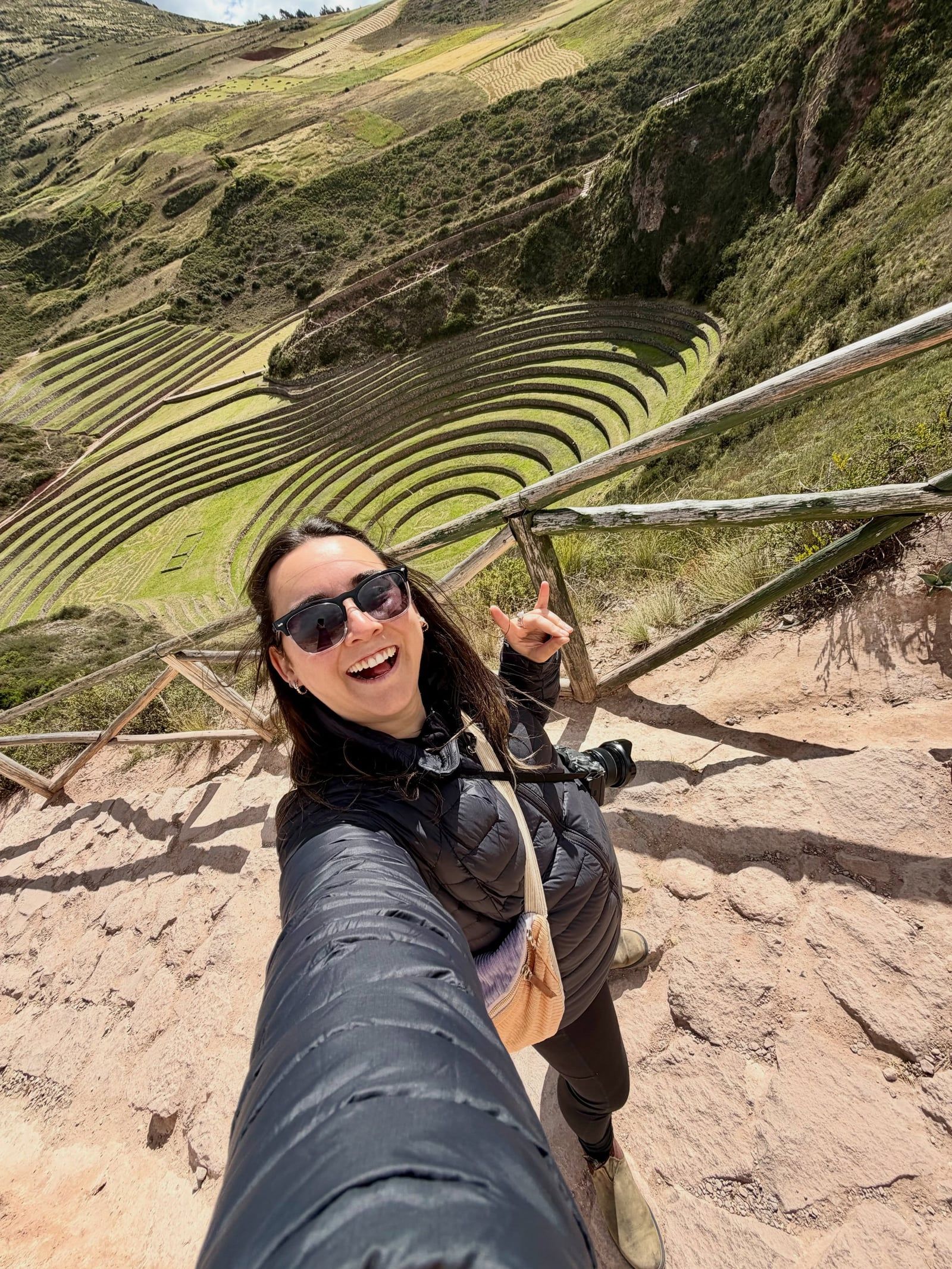
Walk around giant circular depressions carved into the earth. The Incas used these amphitheater-like terraces as a sophisticated agricultural laboratory to test crops in varying microclimates.
Look out over more than 5,000 ancient salt-evaporation ponds terraced along a canyon wall. The patchwork of pink, tan, and white pools has been harvested manually since pre-Inca times.
Browse vibrant local markets where traditional weavers demonstrate ancient textile techniques using natural dyes. Pisac also boasts an impressive hillside archaeological park with sweeping valley views.
Some specialized tours offer immersive culinary experiences right in Urubamba. You can join locals in their outdoor kitchens to cook classic Peruvian dishes like ceviche and lomo saltado.
Get up close with native Peruvian wildlife at local rescue centers. You can see Andean black bears, snuggle friendly alpacas, and watch massive condors fly overhead.
Planning your Sacred Valley excursion from Urubamba is straightforward, but knowing how tickets and logistics work will save you time and money.
Most major ruins (Ollantaytambo, Moray, Pisac, Chinchero) require the Boleto Turístico del Cusco (BTC). The full 10-day ticket costs S/. 130.00 for foreigners, while a 2-day partial ticket for just the Sacred Valley costs S/. 70.00. Tours rarely include this in the upfront price.
The Maras Salt Mines are not included in the Cusco Tourist Ticket. You will need to pay a separate, independent entrance fee of 10 Soles in cash directly at the site.
You can choose between comprehensive full-day private tours covering 4-5 sites, shorter half-day trips focusing just on Maras and Moray, or unique local experiences like private cooking classes in Urubamba.
While sites like Maras and Moray are relatively flat and accessible, visiting ruins like Ollantaytambo and Pisac requires climbing steep, uneven stone steps. Wear slip-resistant footwear.
The dry season (May to October) is ideal. If you visit during the rainy season (November to April), be aware that visits to the Maras Salt Mines may not operate from December to March due to mud and heavy rain.
If you are connecting your Sacred Valley tour to a Machu Picchu train ride between January and April, note that the Poroy station near Cusco closes for maintenance. You will need to depart from Ollantaytambo instead.
Most private and group tours from Urubamba offer flexible booking, allowing for a full refund if you cancel at least 24 hours before the scheduled departure time.
| Full-Day Private Tour | Half-Day Maras & Moray | Local Culinary Experience | |
|---|---|---|---|
| Duration | 5.5 - 7 hours | 3.5 hours | 2 hours |
| Best for | Comprehensive sightseeing of major ruins | Quick trips and travelers with limited time | Foodies and culture lovers |
| Includes | Private transport, local guide, hotel pick-up | Transport, bilingual guide, Maras admission | Private cooking class, homecooked meal |
| Price from | $118 - $135 | $99 | $139 |
Archaeological Sites: The major ruins in the Sacred Valley, including Ollantaytambo, Pisac, Moray, and Chinchero, are generally open daily from 7:00 AM to 5:00 PM.
Best Time of Day: Early departures between 7:00 AM and 8:00 AM are highly recommended. Arriving early helps you avoid the large tour bus crowds that typically show up after 10:00 AM and provides the best soft lighting for photography.
Local Markets: The traditional markets in Pisac and Chinchero start setting up early. For the best atmospheric experience and photography, visit between 6:30 AM and 9:00 AM before the main tourist rush.
From Cusco to Urubamba: The valley is about a 1.5 to 2-hour drive from Cusco. You can hire a private taxi for approximately S/. 80.00 to S/. 100.00, which can fit up to four passengers.
Public Transit: For budget travelers, local shared vans (colectivos) depart regularly from Av. Huayruropata in Cusco. The ride costs about S/. 15 to S/. 20 (USD 4-6) per person.
Trains: PeruRail and Inca Rail operate scenic routes through the valley. If you are heading to Machu Picchu after your Urubamba stay, the Ollantaytambo train station is just a short drive away and remains open year-round.
Dry Season (May to October): This is the absolute best time to visit the Sacred Valley. You can expect mostly sunny days and minimal rainfall, perfect for hiking and exploring the ruins. June, July, and August are the peak tourist months, so book tours in advance.
Rainy Season (November to April): Heavy precipitation is common, particularly from January to April. While the valley is lush and green, outdoor activities can be disrupted. Note that tours to the Maras Salt Mines often pause between December and March due to the muddy conditions.
Altitude: The Sacred Valley floor sits at roughly 9,000 feet (2,790 meters), which is significantly lower than Cusco (11,150 feet). This makes Urubamba an excellent place for elderly travelers and children to acclimate and avoid severe altitude sickness.
Mobility at Sites: The valley is generally favored for wheelchair users due to its flat floor. The Maras Salt Mines and the main viewpoint at Moray are easily accessible. However, hillside ruins like Pisac and Ollantaytambo feature steep, uneven stone steps that are not wheelchair friendly and require careful pacing for those with limited mobility.
Ticketing: The Cusco Tourist Ticket (BTC) can be purchased at the entrance of major sites. Cash in Peruvian Soles is preferred. Card payments (Visa/Mastercard only) incur a 3.15% fee.
Baggage Limits: Large backpacks are not allowed inside the archaeological sites. Bags must be smaller than 40 x 35 x 20 cm.
Food & Drink: Eating meals inside the ruins is prohibited, though light snacks and bottled water are allowed. For a unique local meal, look for roadside restaurants between Maras and Chinchero serving Manca chicharro.
Yes, the Cusco Tourist Ticket (Boleto Turístico) is required to enter major sites like Ollantaytambo, Pisac, Moray, and Chinchero. A 2-day partial ticket covering just the Sacred Valley costs S/. 70.00 for foreigners, while the full 10-day ticket costs S/. 130.00.
Most general Sacred Valley tours do not include the entrance fee for the Maras Salt Mines. Visitors must pay a separate, cash-only fee of 10 Soles directly at the site entrance.
Starting from Urubamba is highly recommended. It sits at a lower altitude (9,000 feet) than Cusco, which helps prevent altitude sickness, and places you right in the middle of the valley, cutting out hours of driving time.
No, drones are completely banned over all archaeological sites in Peru. Unauthorized use can lead to immediate confiscation of your equipment and expulsion from the site.
Tripods, monopods, selfie sticks, and camera stabilizers are strictly prohibited at the archaeological sites unless you have obtained a special professional permit from the Ministry of Culture in advance.
Yes, tours operate year-round, but itineraries may change. For instance, visits to the Maras Salt Mines are often suspended from December to March due to heavy rain and muddy conditions.
Sites like Moray and Maras are relatively flat and easy to walk. However, visiting the fortresses at Ollantaytambo and Pisac requires climbing steep, uneven stone steps, which can be challenging for those with mobility issues.
Weather changes rapidly in the Andes, so wear flexible layers, a high-quality rain jacket, and sun protection. Slip-resistant hiking shoes are essential for navigating the stone stairs at the ruins.
Manca chicharro is a traditional regional dish consisting of deep-fried thick chicharron, stuffed rocoto peppers, and fresh herbs served over boiled white corn. You can find it at local roadside restaurants between Maras and Chinchero.
No, carrying coca leaves or coca tea outside of Peru is strictly illegal and can result in severe penalties at international borders. You should consume or discard them before leaving the country.
Browse verified tours with free cancellation and instant confirmation.
Find Tours


This private tour covers the essential landmarks of the Sacred Valley in a single day. You will start by visiting Chinchero to see Incan ruins and observe traditional Andean weaving techniques. From there, the route continues to Moray, an archaeological site featuring circular terraces that served as an agricultural laboratory, followed by the Maras salt pools, where locals have harvested salt from thousands of small ponds since pre-Incan times. The day includes a visit to the stone fortress of Ollantaytambo, one of the best-preserved examples of Incan urban planning. Because this is a private experience, you can set the pace and spend more time at the sites that interest you most. We avoid the commercial stops and commission-based stores common on group bus tours, focusing instead on the history and landscape with your local guide.
For a full refund, cancel at least 24 hours before the scheduled departure time.
English


This private tour focuses on the historical highlights of the Sacred Valley, moving at a pace that suits you. You will visit the fortress of Ollantaytambo and the circular terraces of Moray, which functioned as an Incan agricultural laboratory. The itinerary also includes the ancient salt pools of Maras and a break for lunch in the local town. In Chinchero, you will explore the archaeological ruins and watch a demonstration of traditional Andean weaving techniques. Because this is a private experience, you can interact directly with your guide and spend more time at the sites that interest you most. We specifically avoid the commission-based souvenir shops common on standard bus tours to ensure an authentic experience. The day concludes with a flexible drop-off at your hotel or in Cusco.
For a full refund, cancel at least 24 hours before the scheduled departure time.
English, Spanish


This tour travels through the Sacred Valley, a region defined by its fertile agricultural terraces and massive Inca stone fortresses. You will visit archaeological sites built directly into the mountainsides overlooking the valley floor. The area remains a center for indigenous culture, where traditional farming and weaving practices are still part of daily life. The itinerary includes stops in the towns of Pisac, Ollantaytambo, Urubamba, and Chinchero. These communities are built on original Inca foundations and serve as gateways to significant historical ruins. You will have time to explore local marketplaces and see how pre-Hispanic customs continue to influence the architecture and social structure of these Andean villages.
For a full refund, cancel at least 24 hours before the scheduled departure time.
English, Spanish


Join Diego in his outdoor kitchen for a practical introduction to Peruvian cooking. You will learn to prepare several classic dishes, including fresh ceviche, lomo saltado (stir-fried beef), and tacu tacu (rice and beans). The menu also features papa a la huancaína, causa rellena, and the chifa-style fried rice known as arroz chaufa. You can choose between a hands-on lesson or a guided demonstration based on your preference. Diego will teach you specific skills, such as how to properly cut fish for curing and how to balance the acidity and heat in traditional sauces. Throughout the session, he shares his personal cooking techniques and insights into the ingredients that define local cuisine.
For a full refund, cancel at least 24 hours before the scheduled departure time.
English, Spanish


This 90-minute tour begins with a visit to the Moray archaeological site. These unique concentric terraces are widely believed to have served as an ancient agricultural laboratory. Because the temperature varies significantly between the upper and lower levels, researchers suggest the Incas used the site to simulate different climates and test crop growth across various ecological zones. Next, you will visit the nearby salt mines of Maras. This complex consists of thousands of small evaporation ponds that have been used for salt extraction since the time of the Inca Empire. Historically, the salt produced here was a vital commodity used for trade throughout the region. After exploring both sites, the tour concludes with a return transfer to your hotel.
For a full refund, cancel at least 24 hours before the scheduled departure time.
English, Spanish