About All Tours From Cusco ToursFrom Ollantaytambo ToursATV ToursAnd Machu Picchu ToursFrom Urubamba ToursPrivate ToursAnd Rainbow Mountain ToursMaras Moray Tours Directions Hours & Fees
Find Tours 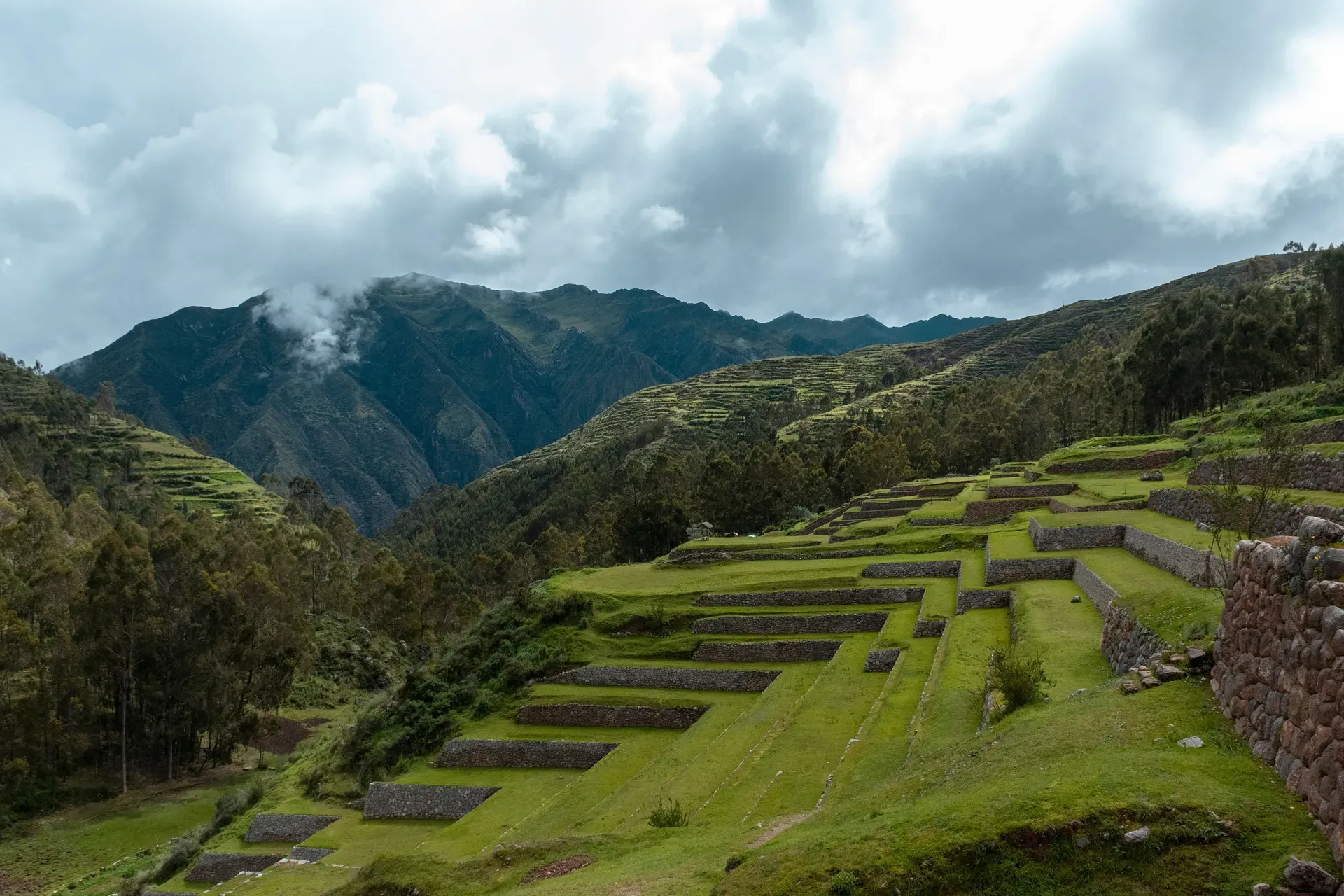
Stretching 62 miles between Pisac and Ollantaytambo, the Sacred Valley features monumental stone fortresses and over 5,000 ancient salt-evaporation ponds. Sitting at a comfortable 9,000 feet in elevation, this former agricultural center serves as the primary route to Machu Picchu.
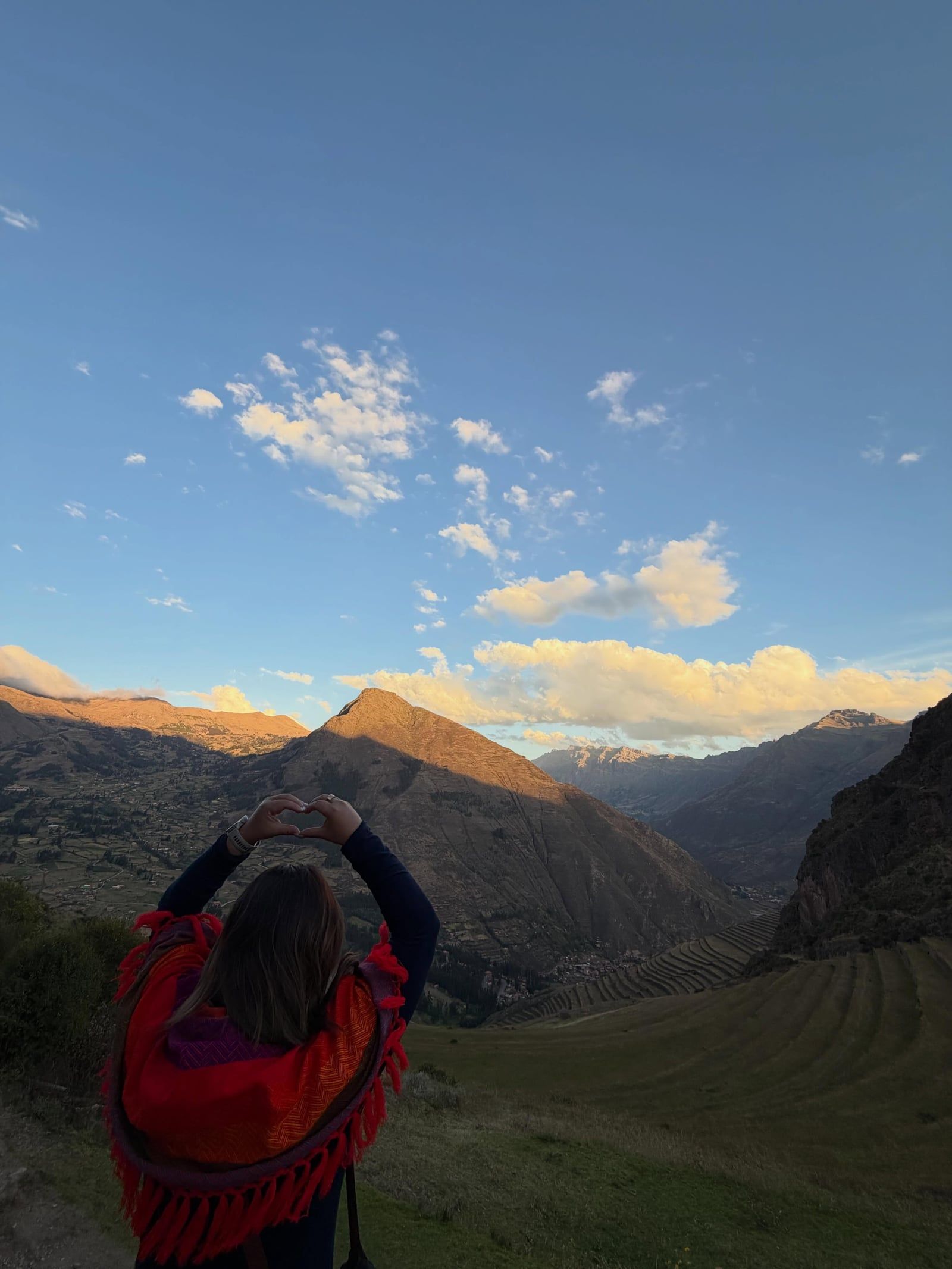
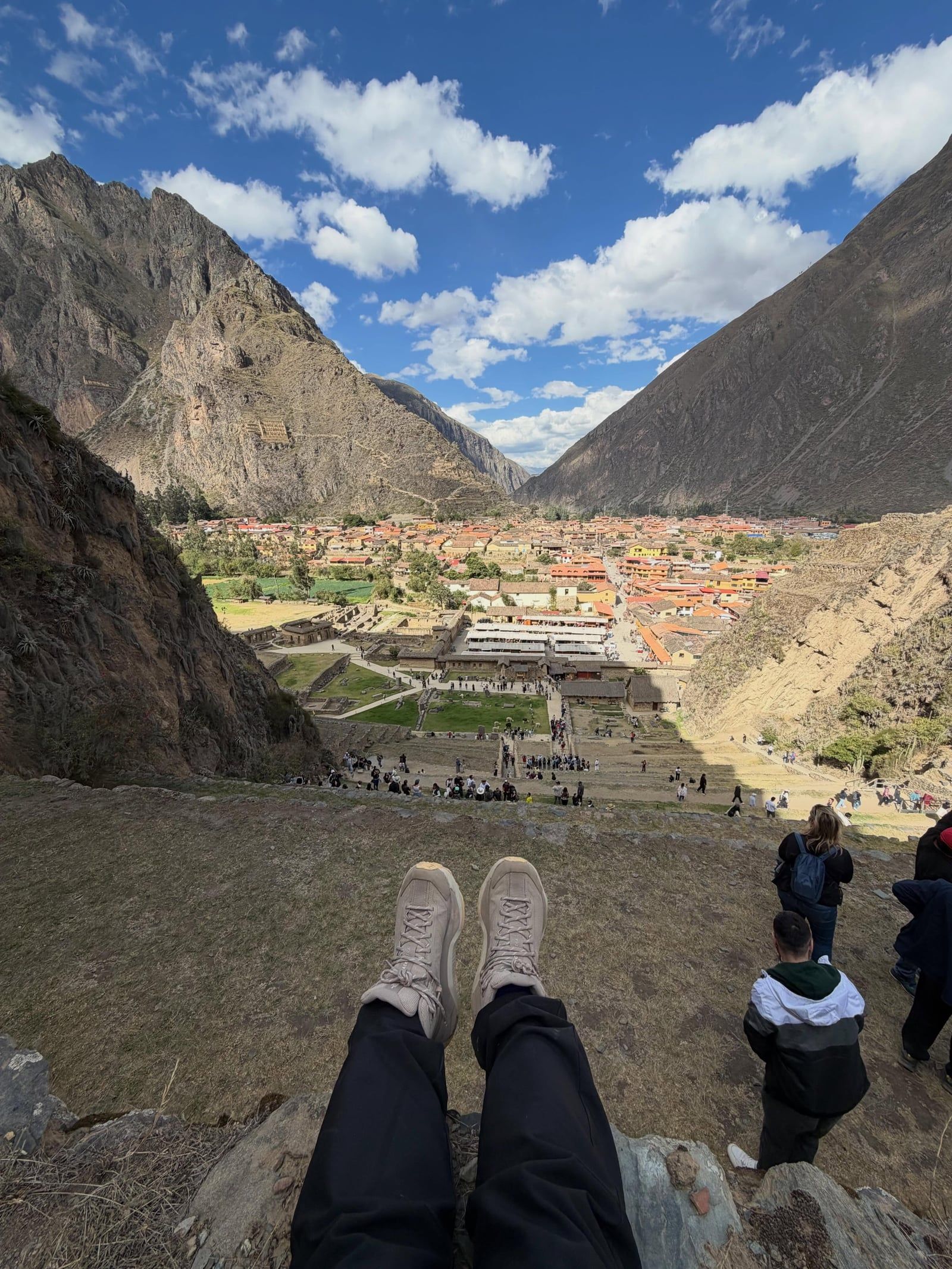
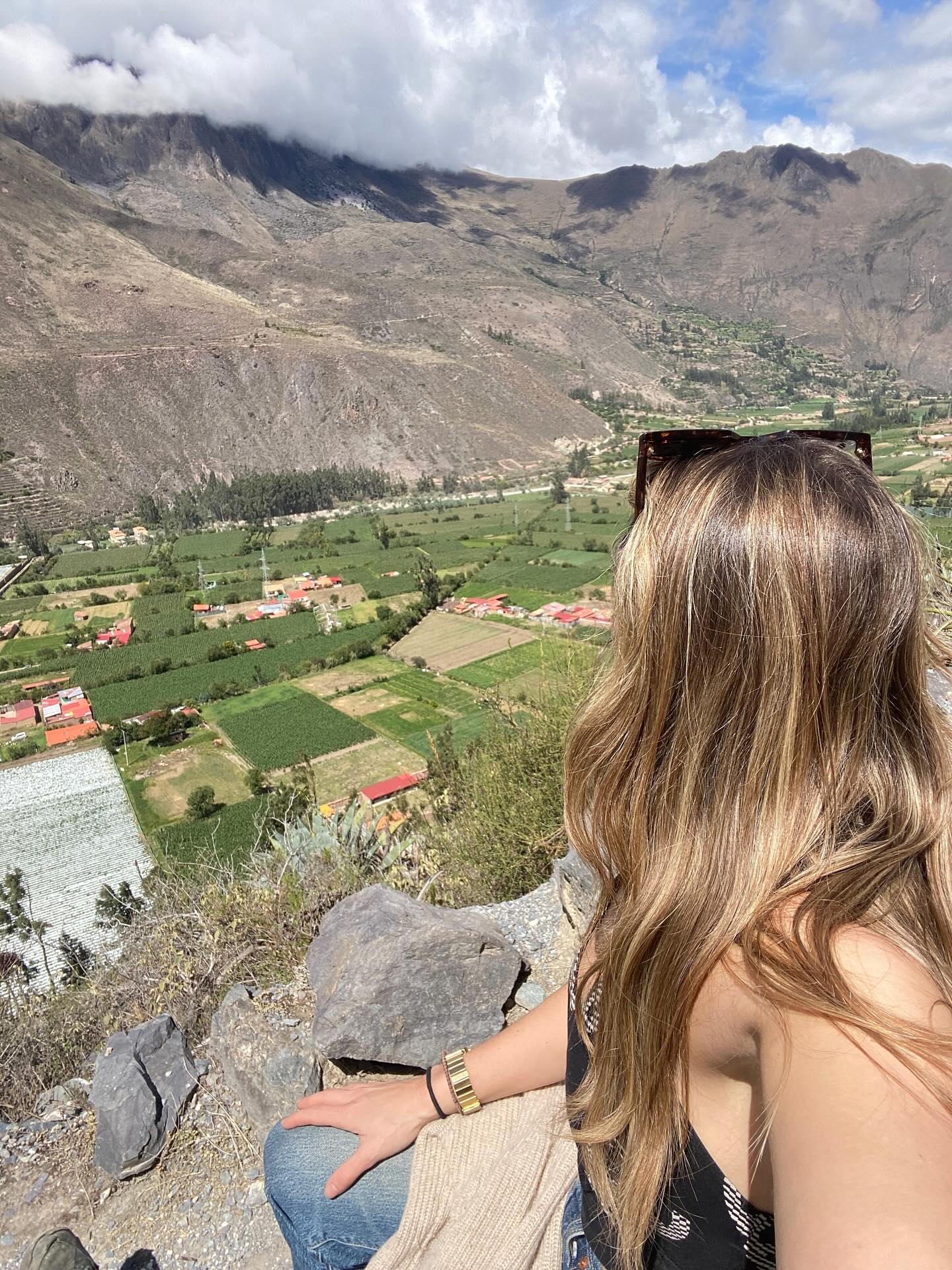
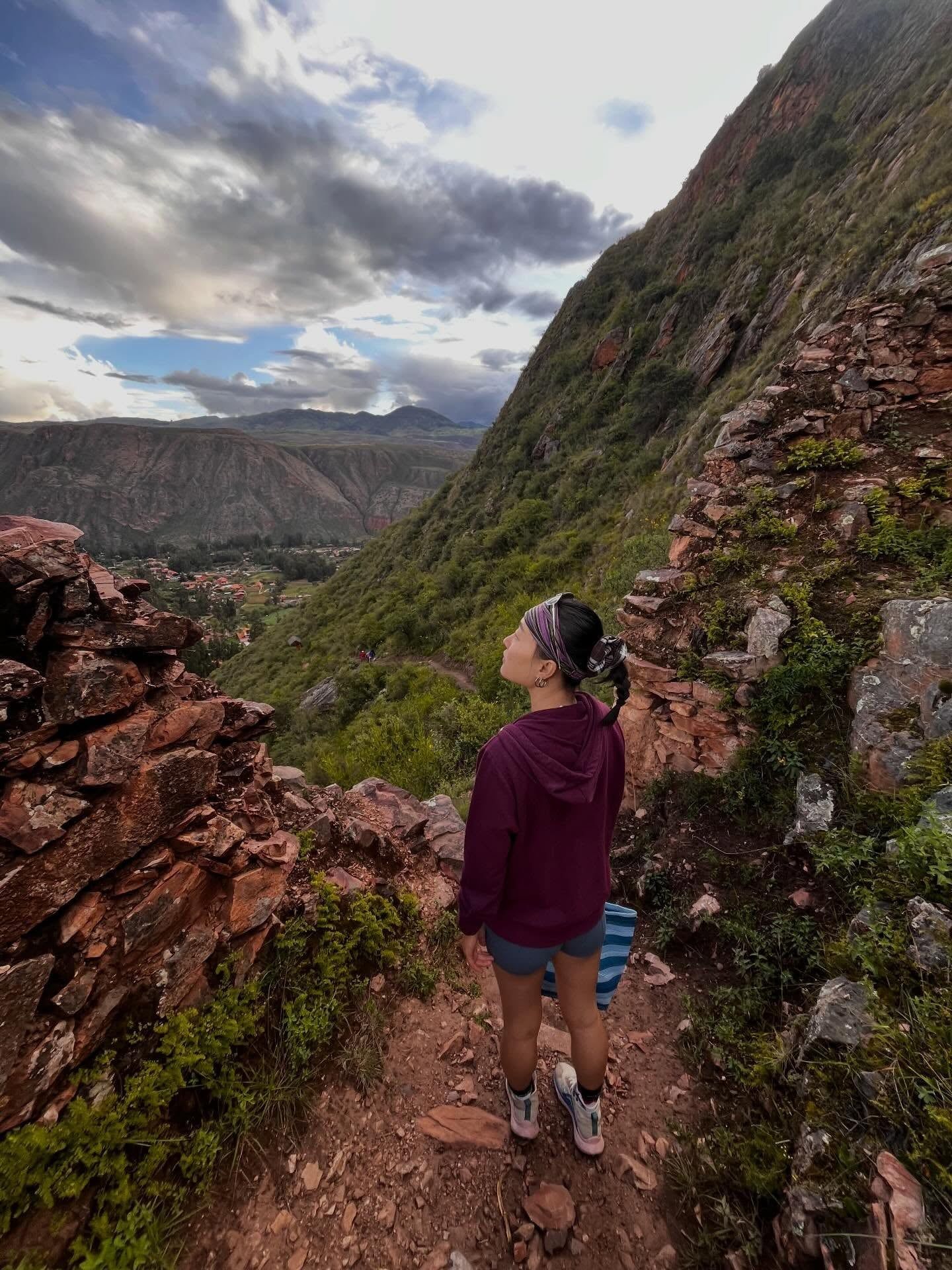
Find Guided ToursThe Sacred Valley of the Incas, also known as the Urubamba Valley or Vilcamayo, is a fertile agricultural region located in the Andean highlands just north of Cusco. Stretching approximately 62 miles (100 km) between the towns of Pisac and Ollantaytambo, it serves as a major transit corridor to Machu Picchu. The valley floor sits at an elevation of roughly 9,000 feet (2,790 meters). This geographical depression is framed by mountain summits towering above 16,000 feet (5,000 meters). The Urubamba River cuts directly through the landscape, fed by numerous tributaries descending through adjoining gorges to create a highly fertile ecosystem.
Human settlement in the region spans thousands of years, beginning with the Chanapata civilization around 800 B.C. Subsequent cultures, including the Qotacalla and Killke, occupied the land before the expanding Inca Empire slowly incorporated the territory between 1000 and 1400 A.D. Under the rule of Emperor Pachacuti, the Incas constructed monumental stone architecture and royal estates throughout the corridor. The valley's layout held immense religious importance, as the Incas believed its geographical alignment mirrored the Milky Way.
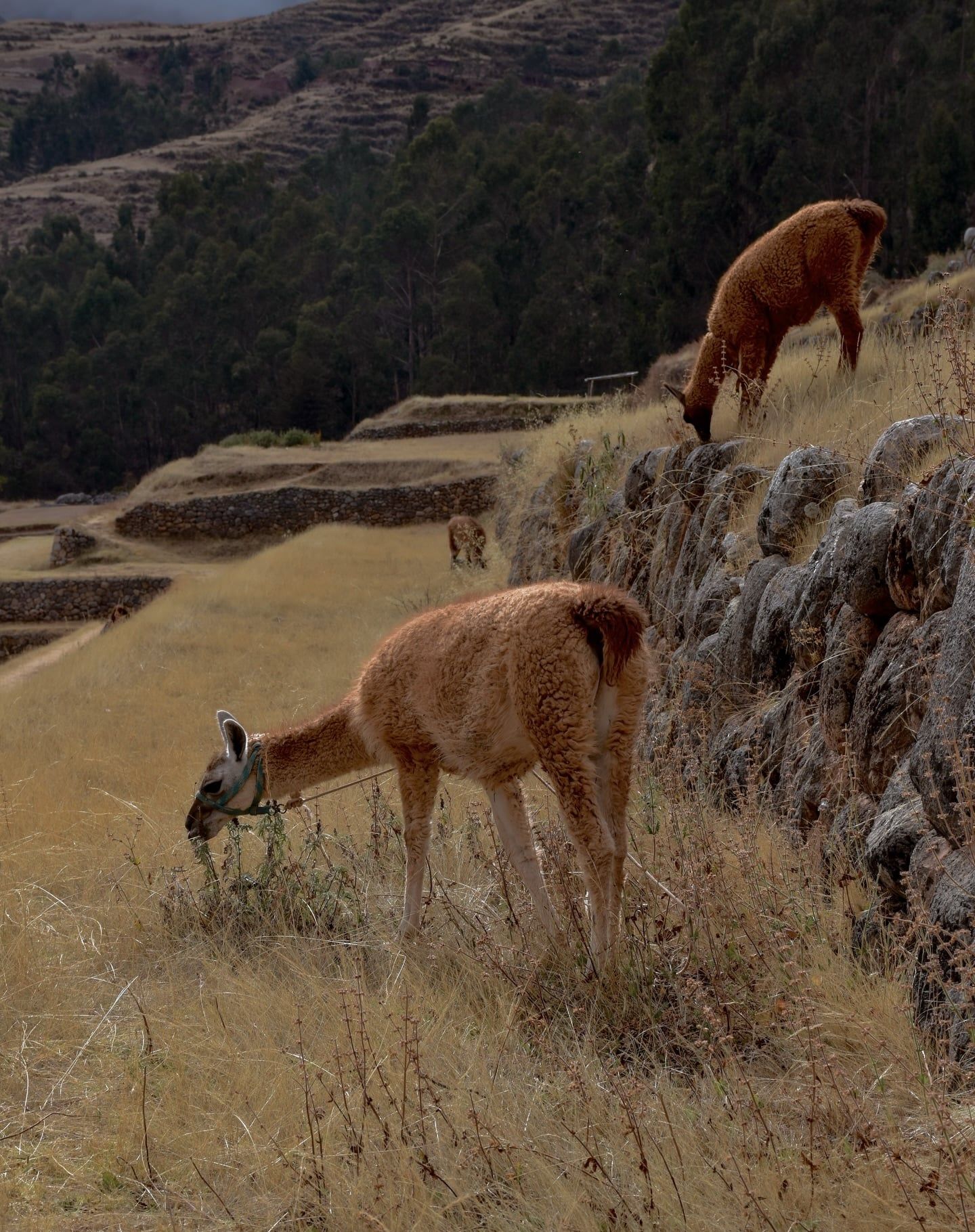
Because of its unique microclimates and exceptionally rich soil, the Sacred Valley functioned as the primary agricultural center for the Incan Empire. Farmers cultivated crucial crops like maize and potatoes on extensive stone terraces carved into the steep mountainsides. Many of these ancient terraces remain active today.
The region also witnessed significant military conflict. In January 1537, the valley became a historic battleground during the Battle of Ollantaytambo, where Manco Inca Yupanqui's forces successfully repelled a Spanish expedition led by Hernando Pizarro. Despite subsequent Spanish colonization, much of the valley's original stone architecture survived. Today, the area functions as a living museum supporting a population of about 65,000 residents. Local communities continue to speak the Quechua language and preserve the ancient agricultural traditions established centuries ago.
Discover the full history and cultural significance on our About page.
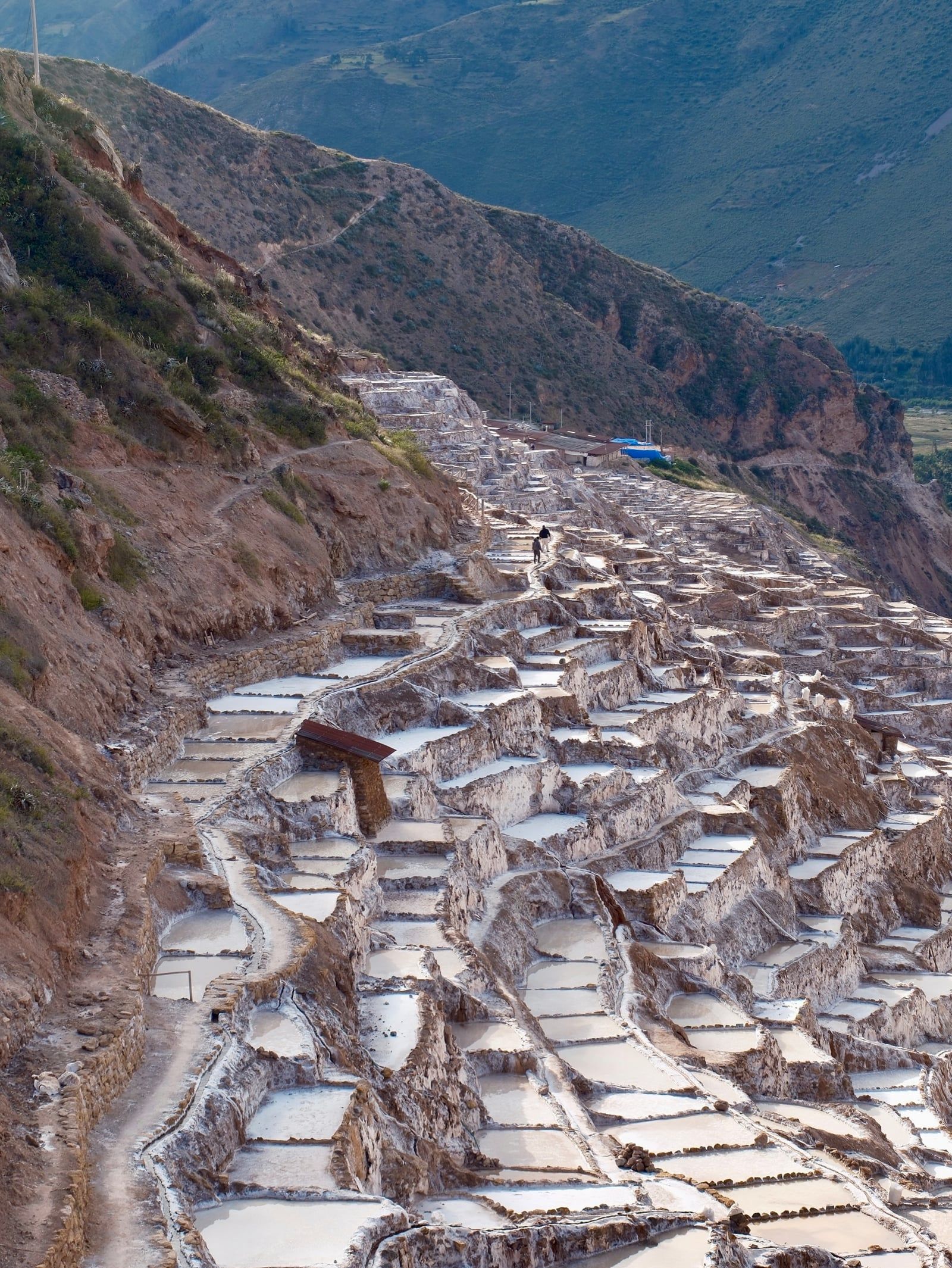
Over 5,000 ancient salt-evaporation ponds cascade down a steep canyon near the town of Maras. Local workers have manually harvested these pink, tan, and white pools since pre-Inca times. Accessing the observation areas requires a separate 10 Soles cash fee, independent of the standard tourist ticket.
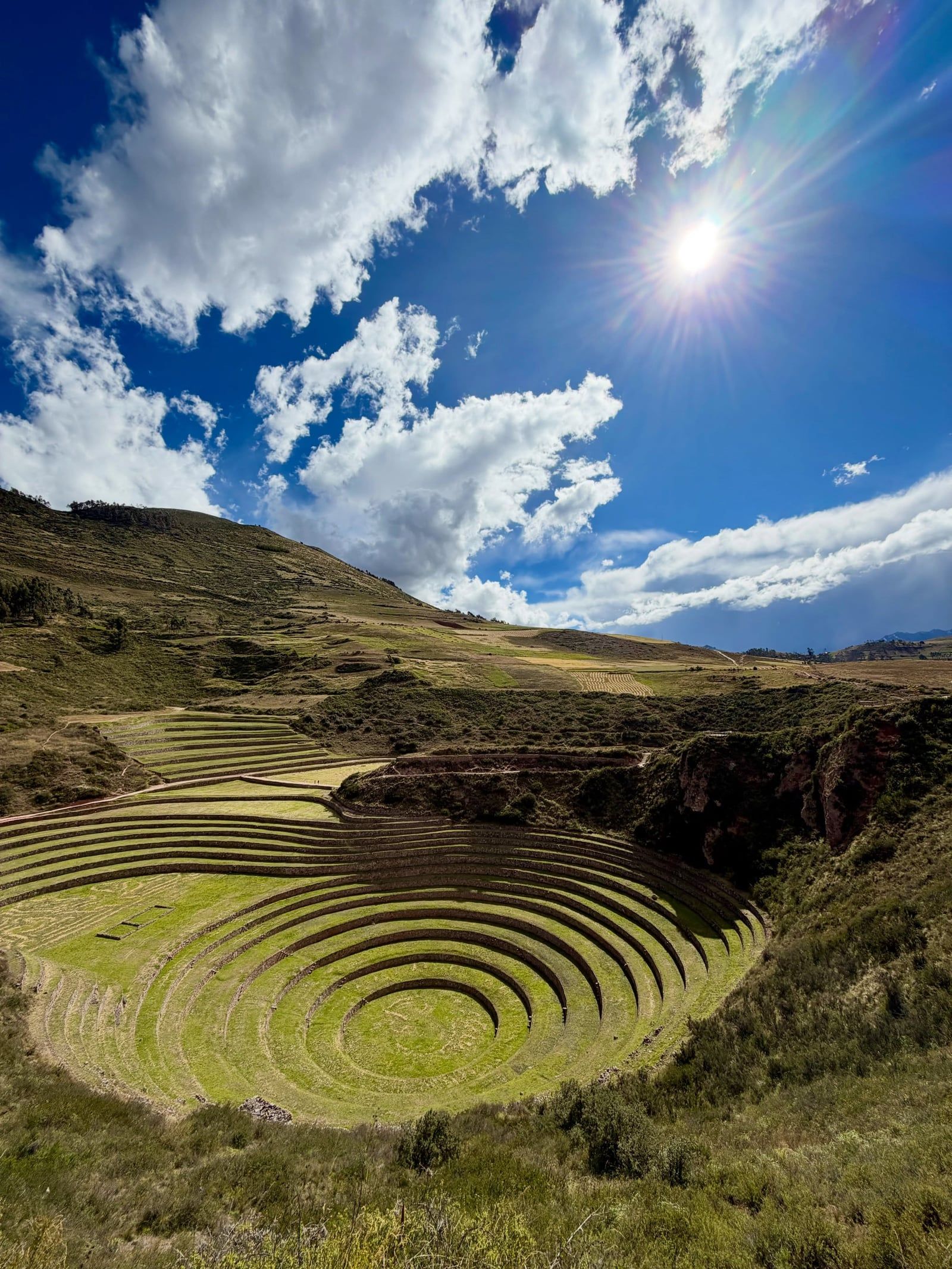
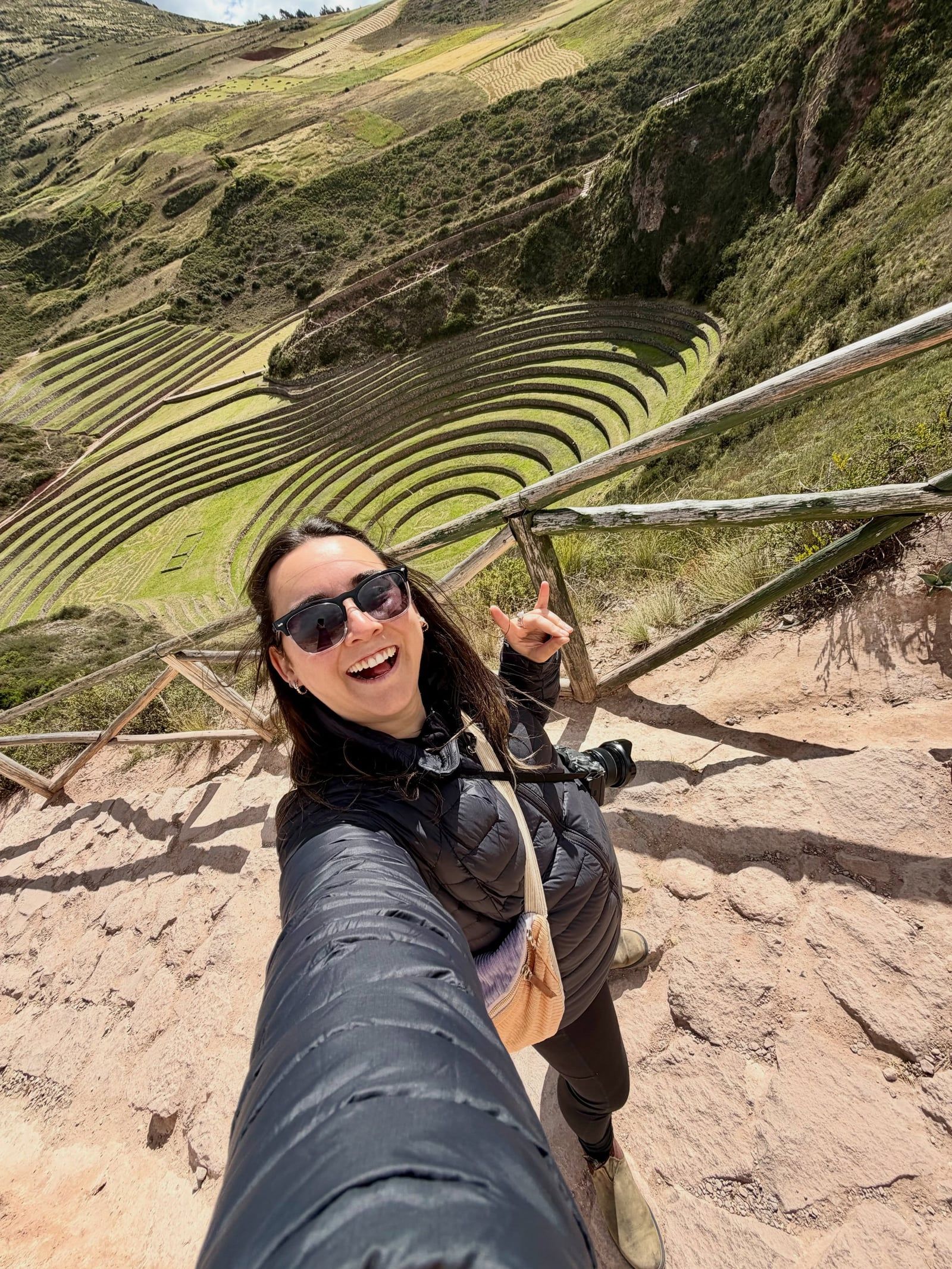
Carved directly into the earth at an elevation of 3,500 meters, these massive circular ruins resemble giant amphitheaters. The Incas utilized the deep depressions as an agricultural laboratory. By experimenting with crops across different terrace levels, they managed varying microclimates that differ by up to 5°C.
Perched high above the 9,000-foot valley floor, this sprawling complex features sweeping views of the surrounding Andes. Visitors navigate steep stone stairs to inspect ancient ceremonial baths, extensive agricultural terraces, and residential quarters. The site also contains the largest known Inca cemetery in the entire region.
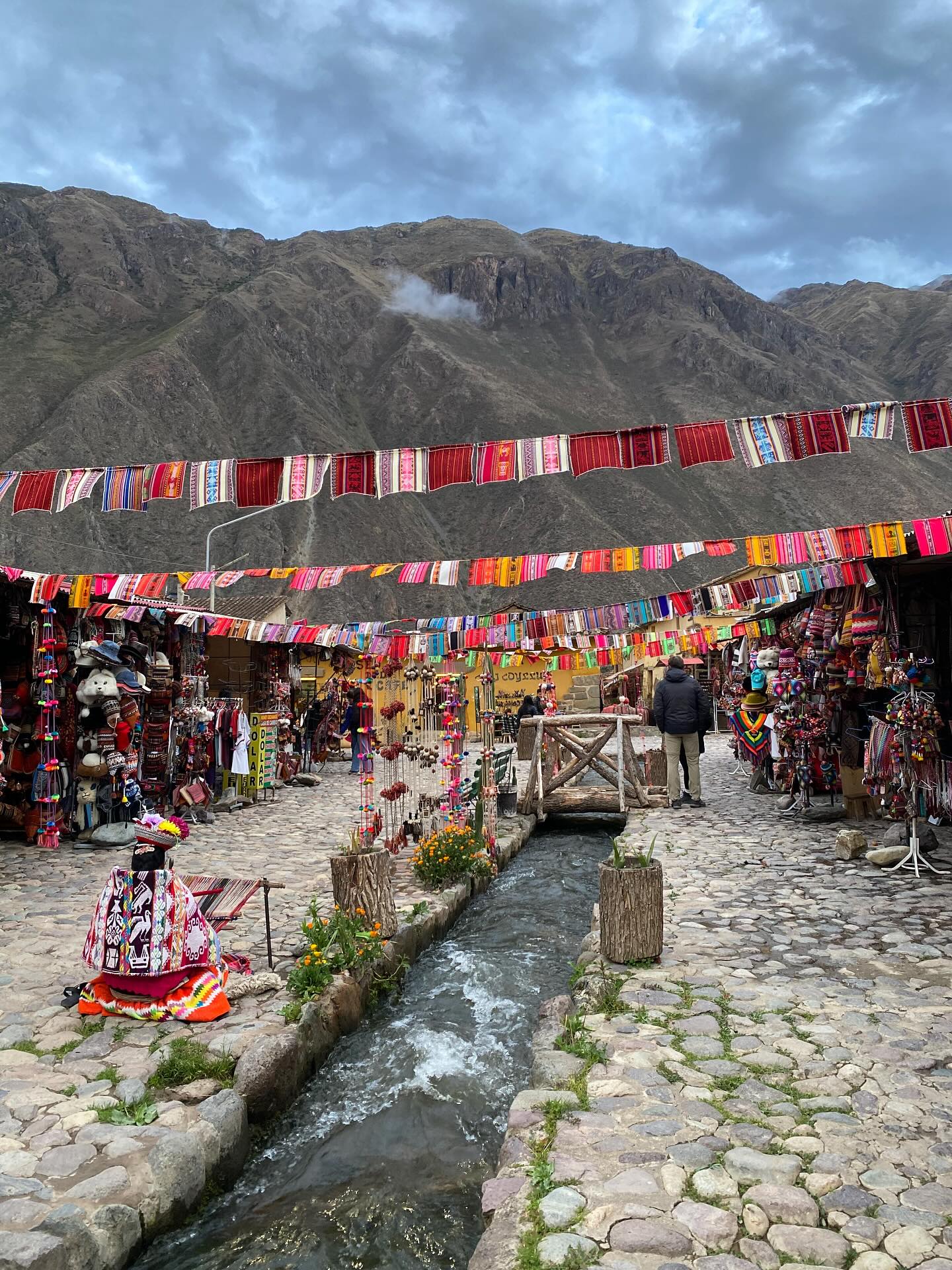
A colonial church sits directly atop the stone foundations of Tupac Inca Yupanqui's former palace. Nearby, traditional weavers demonstrate ancient textile techniques using natural dyes. Arriving between 6:30 AM and 9:00 AM allows for optimal atmospheric photography before large tour groups reach the local market.
Hand-picked tours with free cancellation and verified reviews
 Free Cancellation 10h
  Free Cancellation 12h
  Free Cancellation 6h
  Free Cancellation
  Free Cancellation
  Free Cancellation
  Free Cancellation 11h
  Free Cancellation 1h
 The optimal time to visit the Sacred Valley is during the dry season from May to October. These months provide sunny days with minimal rainfall, though travelers should plan ahead for peak crowds in June, July, and August.
September and October deliver sunny, dry conditions ideal for exploring archaeological sites. November marks the transition into the rainy season, bringing increased precipitation to the valley floor.
Heavy precipitation characterizes these wet months, complicating outdoor activities. The Poroy train station near Cusco closes for weather and maintenance from January onward, requiring rail departures from Ollantaytambo instead.
March and April bring continued heavy rain and the ongoing closure of the Poroy train station. Conditions improve significantly in May as the dry season begins with clear, sunny skies.
These months offer the most reliable weather with sunny days and minimal rainfall. This is the peak tourist season, requiring advance planning for accommodations and the Cusco Tourist Ticket.
Archaeological sites in the Sacred Valley operate daily from 7:00 AM to 5:00 PM. Local markets in towns like Pisac and Chinchero open early, with peak activity occurring between 6:30 AM and 9:00 AM.
| Category | Price |
|---|---|
| Foreign Adult (Full Ticket - 10 Days) | S/. 130.00 |
| Foreign Student and Child (Full Ticket - 10 Days) | S/. 70.00 |
| Foreign Adult (Partial Ticket Circuit III - 2 Days) | S/. 70.00 |
| Peruvian Adult (Full Ticket - 10 Days) | S/. 70.00 |
| Peruvian Student and Child (Full Ticket - 10 Days) | S/. 40.00 |
| Peruvian Adult (Partial Ticket Circuit III - 2 Days) | S/. 40.00 |
| Maras Salt Mines (Independent Entry) | S/. 10.00 |
Access to major archaeological ruins requires the Cusco Tourist Ticket (Boleto Turístico del Cusco), which covers up to 16 sites. The Maras Salt Mines are excluded from this ticket and require a separate 10 Soles cash payment directly at the gate. Site entrances primarily accept cash, and payments made via Visa, Mastercard, Plin, or Yape incur a 3.15% transaction fee.
For complete schedules and ticket prices, visit our Hours & Fees page.
Travelers can reach the Sacred Valley from Cusco using several transit methods, including trains, private taxis, and shared local vans. Transit times generally range from one and a half to three and a half hours depending on the specific destination.
📍 Andean highlands, north of Cusco, between Pisac and Ollantaytambo, Peru
PeruRail and Inca Rail operate rail services connecting Cusco and Ollantaytambo through the valley. The standard route takes about three and a half hours to complete. Travelers should note that the Poroy station near Cusco closes from January to April for seasonal maintenance. During these rainy months, passengers must depart directly from the Ollantaytambo station instead.
Hiring a private taxi directly from Cusco allows up to four passengers to reach Ollantaytambo or other regional towns comfortably. The direct drive takes roughly one and a half hours. Visitors can also hire a driver for a half-day trip to include stops at the Moray ruins and Maras salt mines before concluding the ride in Ollantaytambo. Accommodations can arrange reliable drivers to ensure fixed pricing.
Shared local vans, known as colectivos, provide the most economical public transit for independent travelers. These vehicles depart regularly from designated points in Cusco, including Avenida Huayruropata. Passengers can expect a transit time of approximately two hours to reach Sacred Valley towns such as Sicuani or Urubamba. This transit method operates on a shared passenger basis and requires navigating local departure points.
For detailed transport options and routes, visit our Directions page.
The valley floor sits at 9,000 feet, which is significantly lower than Cusco's 11,150 feet. Spending your first few days here helps your body adjust gradually to the Andes. Stay hydrated and avoid heavy exercise to mitigate headaches and fatigue.
The 10-day Cusco Tourist Ticket costs S/. 130.00 for foreigners and covers 16 major sites. Buy it early to maximize value rather than purchasing partial tickets. Keep in mind that the Maras Salt Mines require a separate 10 Soles cash payment.
Drones are completely banned over all archaeological sites within the region. Guards will also prohibit tripods, monopods, and camera stabilizers unless you hold a special Ministry of Culture permit. Rely on handheld photography and brace against stone walls for stable shots.
The Poroy train station near Cusco typically closes during the rainy season for track maintenance. If traveling between January and April, you must adjust your transit plans. Book your train departures directly from the Ollantaytambo station instead to ensure reliable transport.
Arrive at the Pisac and Chinchero markets between 6:30 AM and 9:00 AM. This timing lets you observe authentic commerce before the large tour groups arrive. Always ask permission before photographing local vendors and be prepared to offer a small gratuity.
Stop at the informal roadside restaurants located between Maras and Chinchero for an authentic culinary experience. Ask for Manca chicharro, a unique regional specialty. This dish consists of deep-fried chicharron and stuffed rocoto peppers served over boiled white corn.
This monumental Inca fortress features massive stone walls reaching up to 9 meters high. It serves as an excellent natural viewpoint over Cusco and highlights imperial military architecture.
Known as the temple of water, this site showcases advanced Inca hydraulic engineering. Beautifully crafted stone channels and aqueducts still flow with fresh mountain water today.
This conservation center provides private guided tours featuring living specimens of native butterfly species. Located near the Manuel Chávez Ballón Site Museum, it is also an excellent spot for bird watching.
Read what travelers share about their experience visiting Sacred Valley — from practical tips to personal highlights.
Access requires the Cusco Tourist Ticket. The full 10-day ticket costs S/. 130.00 for foreign adults and covers 16 major sites. You can also buy a 2-day partial ticket for Circuit III, covering Pisac, Ollantaytambo, Chinchero, and Moray, for S/. 70.00.
The Maras Salt Mines are not covered by the standard tourist ticket. Visitors must pay a separate entrance fee of 10 Soles directly at the site. This payment must be made in cash.
The dry season from May to October offers sunny days and minimal rainfall, making it the optimal time for outdoor activities. The rainy season runs from November to April. If you travel between January and April, note that the Poroy train station near Cusco closes for weather and track maintenance.
Major archaeological sites in the Sacred Valley are open daily from 7:00 AM to 5:00 PM. Arriving right at 7:00 AM helps you avoid large tour crowds that typically appear after 10:00 AM. Early morning visits also provide the best lighting for photography.
You can hire a private taxi, which takes about 1.5 hours and costs between 80 and 100 Soles. For a more economical option, local shared vans known as colectivos depart from Av. Huayruropata in Cusco. The colectivo ride takes roughly 2 hours and costs 15 to 20 Soles per person.
Drones are completely banned over all archaeological sites in the Sacred Valley. Tripods, selfie sticks, and camera stabilizers are also strictly prohibited without a special permit from Peru's Ministry of Culture. Any unauthorized use can result in immediate equipment confiscation.
The valley floor sits at approximately 9,000 feet (2,790 meters), which is significantly lower than Cusco's 11,150-foot elevation. Spending your first few days here allows your body to acclimate gradually. This lower altitude makes it much easier for elderly travelers and children to manage physical activities.
Flat areas and specific sites like the Maras Salt Mines and the main viewpoint at Moray are highly accessible for wheelchair users. However, hillside ruins such as Pisac and Ollantaytambo have limited access. These fortresses require climbing steep stone steps, making them difficult for visitors with mobility issues.
Browse verified tours with free cancellation and instant confirmation.
Find Tours