About All ToursFrom Cusco ToursFrom Ollantaytambo ToursATV ToursAnd Machu Picchu ToursFrom Urubamba ToursPrivate ToursAnd Rainbow Mountain ToursMaras Moray Tours Directions Hours & Fees
Find Tours 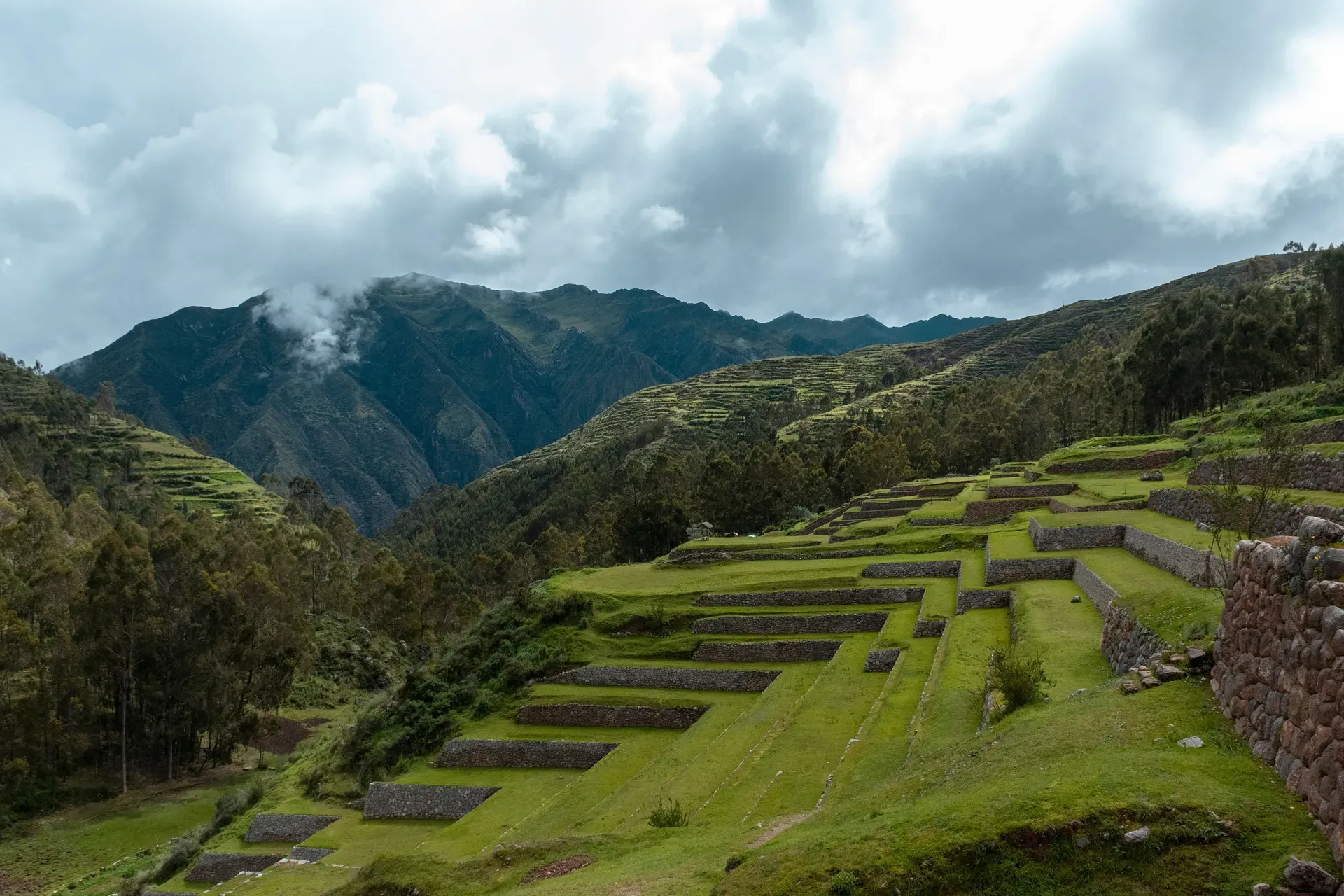
Explore the ancient Inca ruins and vibrant landscapes of the Sacred Valley with convenient tours departing directly from Cusco. Choose from half-day ATV adventures, full-day cultural excursions, or multi-day trips that include Machu Picchu.

Explore the Sacred Valley’s Inca ruins and the Machu Picchu citadel on a two-day guided journey from Cusco.
 Likely to Sell Out
 Spend two days exploring the Sacred Valley’s ruins and salt mines before catching the sunrise at Machu Picchu.

Explore the Sacred Valley's highlights and the Machu Picchu citadel on this two-day private guided tour.
 Free Cancellation
 Explore the Sacred Valley's five primary historical sites followed by a buffet featuring 30 traditional Peruvian dishes.
 Free Cancellation
 Explore ancient Inca ruins and traditional Andean villages across the high-altitude landscape of the Sacred Valley.
 Free Cancellation
 Explore the ancient ruins of Pisac and Ollantaytambo while experiencing the food and culture of the Sacred Valley.
 Free Cancellation
 Explore the massive stone ruins of Pisac and Ollantaytambo alongside the Maras salt pans and Moray's circular terraces.
 Free Cancellation
 Explore the Maras salt mines and Moray's circular terraces on a half-day ATV adventure through the Sacred Valley.
 Free Cancellation
 Explore the Sacred Valley on a guided day trip from Cusco, visiting Moray, Maras, Ollantaytambo, and Pisaq.
 Free Cancellation
 A small-group Sacred Valley tour timed specifically for afternoon train departures from Ollantaytambo to Machu Picchu.
Read what travelers share about their experience visiting Sacred Valley — from practical tips to personal highlights.
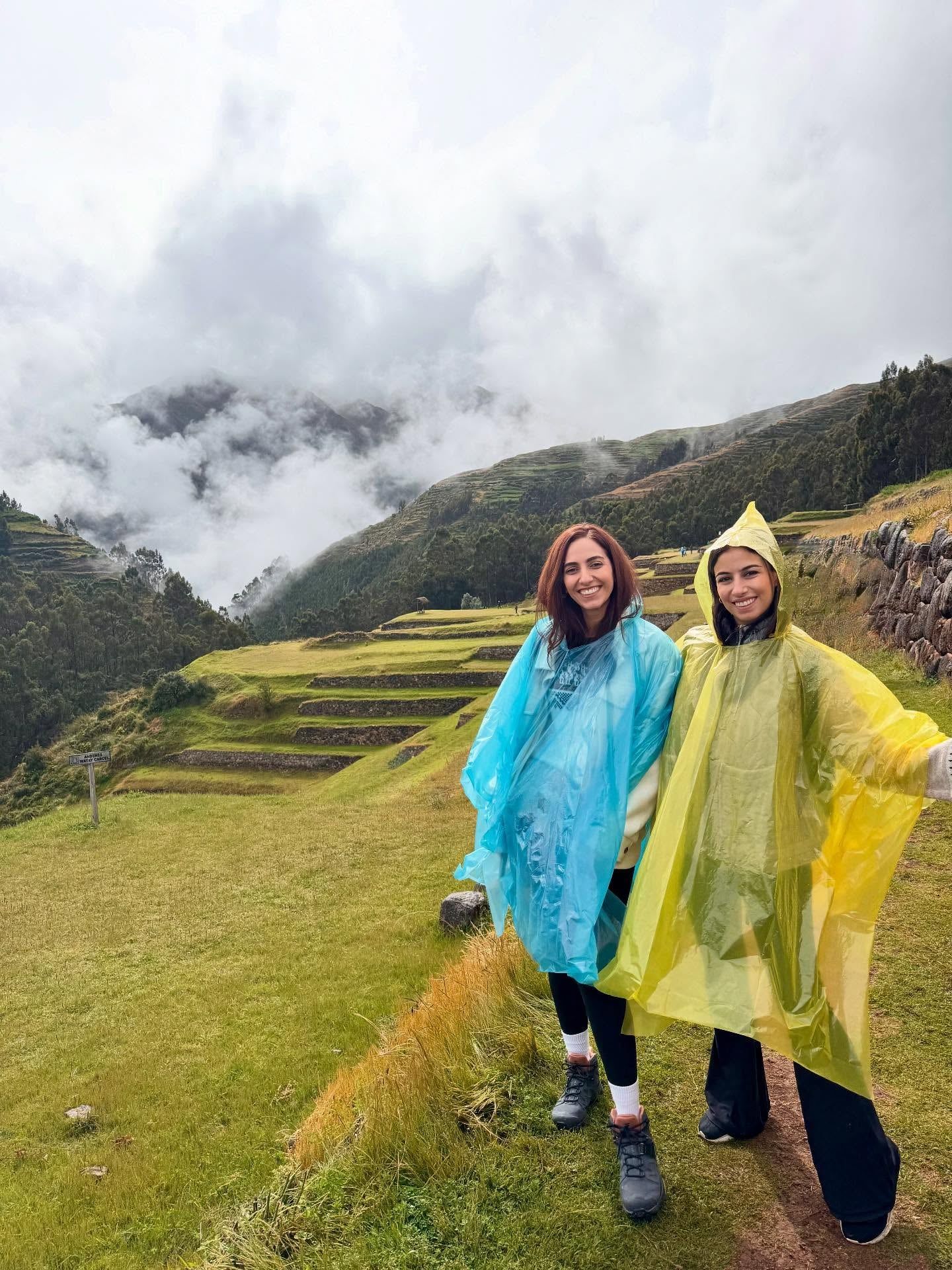
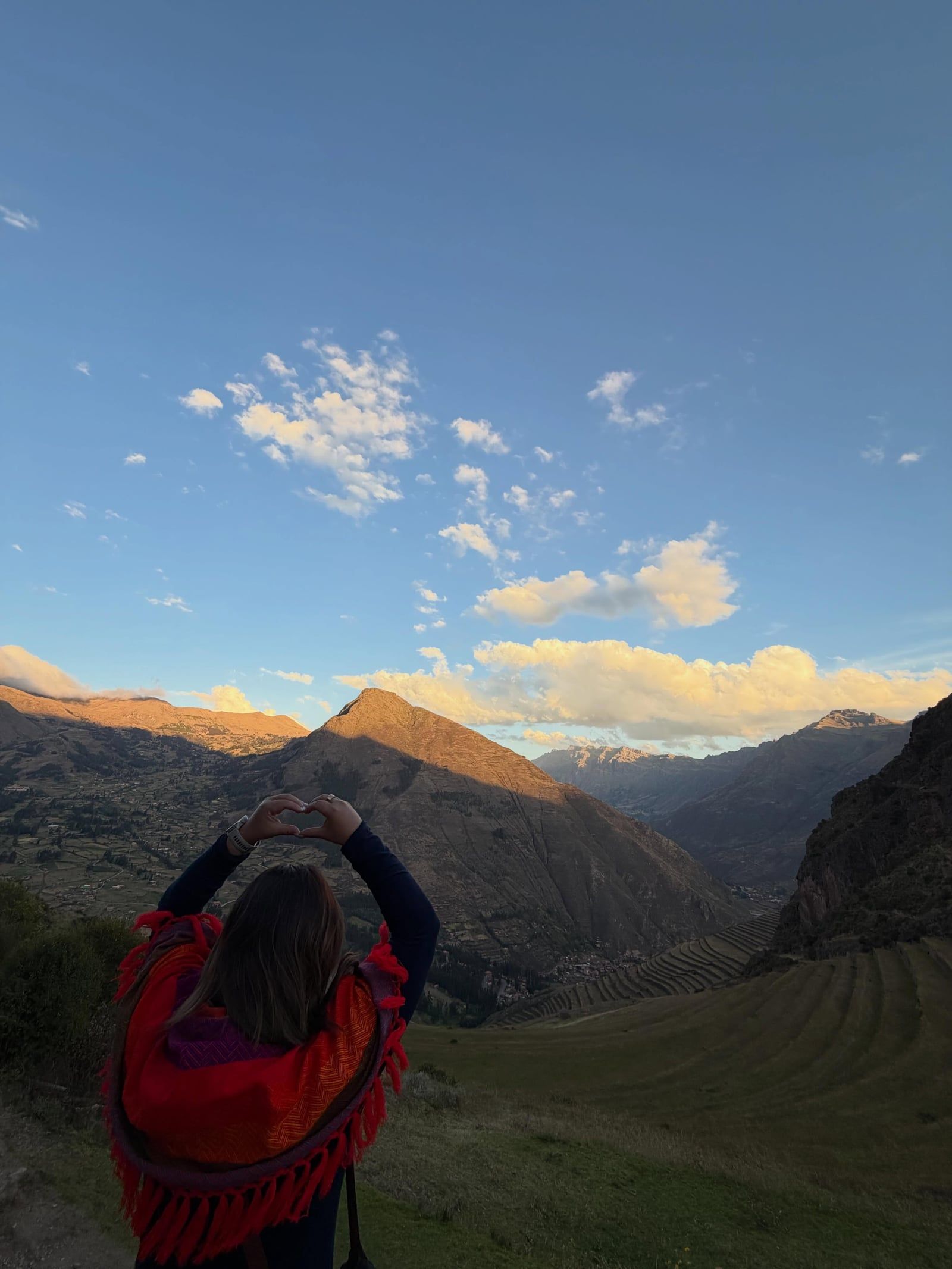
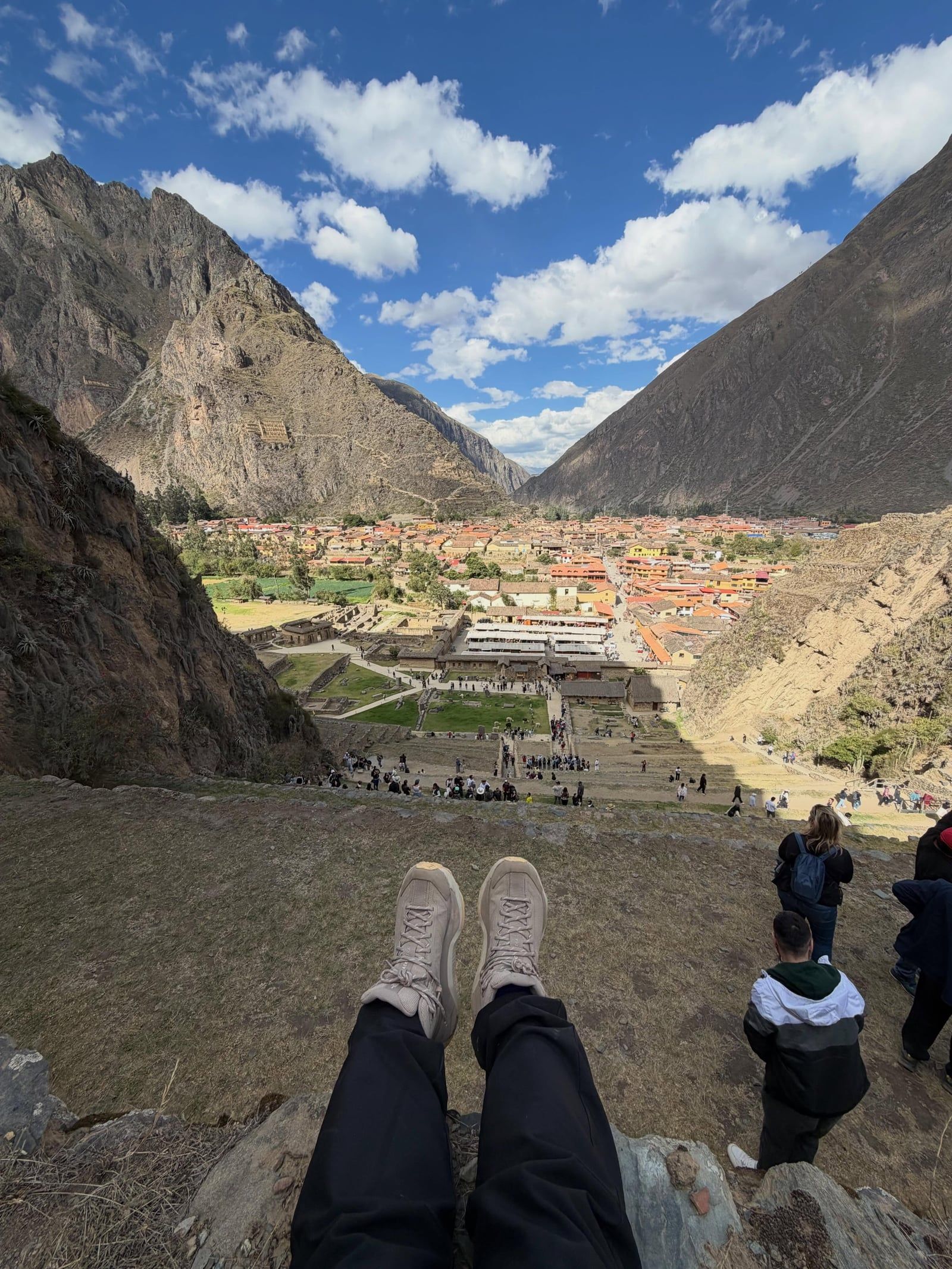
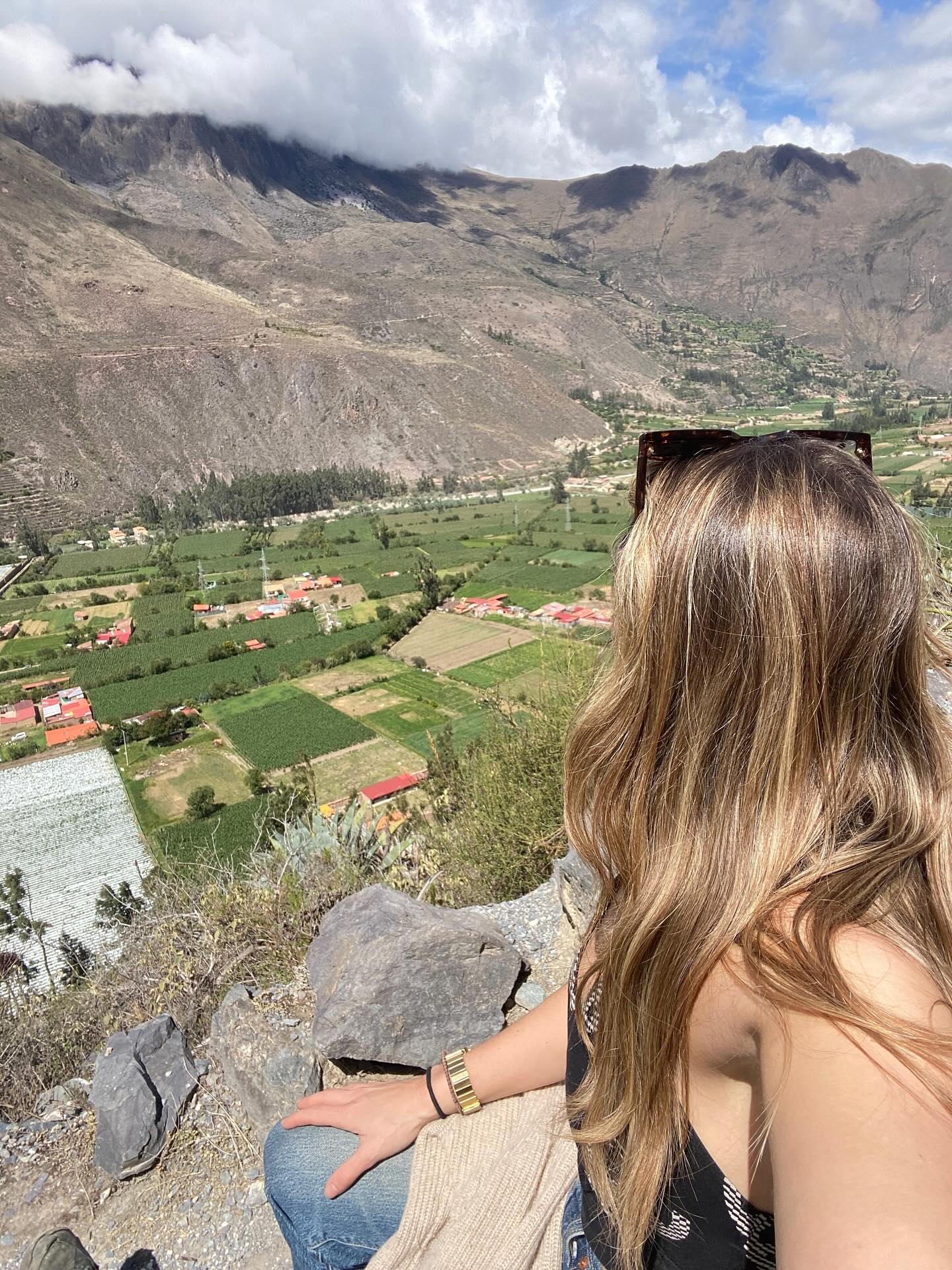
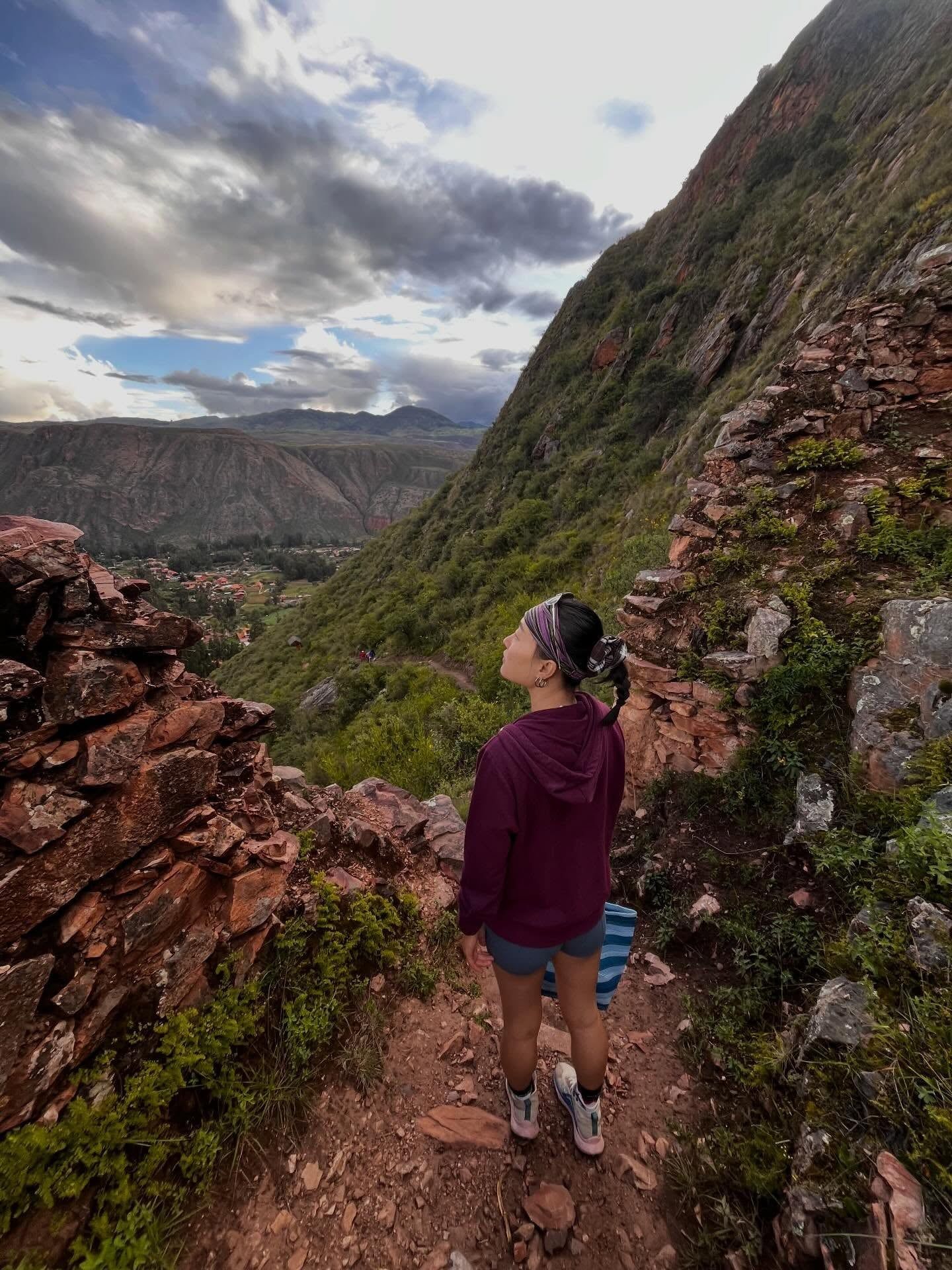
Exploring the Sacred Valley is a journey into the agricultural and spiritual heart of the ancient Incan Empire. You can expect dramatic Andean mountain landscapes, vibrant traditional markets, and monumental stone fortresses, all situated at a lower, more comfortable altitude than Cusco.
Wander through extensive agricultural terraces and ancient ceremonial baths perched high on a hillside. Afterward, browse the vibrant local market in the town below for traditional crafts.
Climb the massive stone steps of this steep mountainside complex. It's a stunning example of Incan urban planning and the site of a historic battle against Spanish conquistadors.
Marvel at over 5,000 ancient salt-evaporation ponds terraced into the canyon side. These patchwork pools have been manually harvested by local families since pre-Inca times.
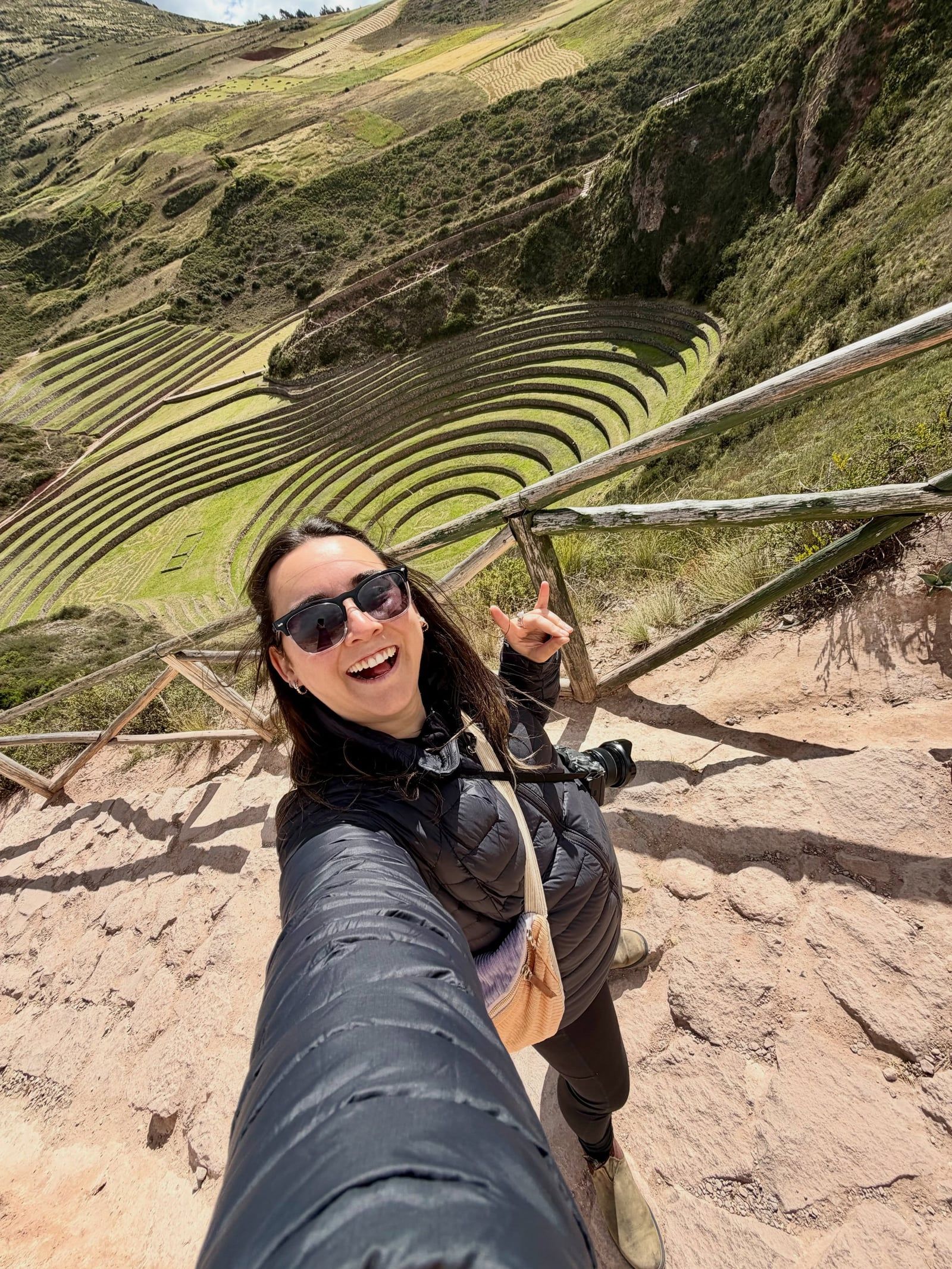
Walk around giant, amphitheater-like circular depressions carved into the earth. The Incas used these varying levels as an agricultural laboratory to experiment with different microclimates.
Known as the birthplace of the rainbow, this village features impressive ruins, a colonial church, and local artisans demonstrating ancient textile weaving and natural dyeing techniques.
Many tours stop at local sanctuaries like Cochahuasi, where you can get up close with rescued llamas, alpacas, pumas, and watch massive Andean condors fly overhead.
Planning a Sacred Valley excursion requires a bit of logistical preparation, especially regarding entrance tickets and transit connections. Here is what you need to know before securing your spot.
You can choose from standard full-day bus tours, thrilling half-day ATV rides to Maras and Moray, or comprehensive 2-day packages that include a train ride and guided tour of Machu Picchu.
Most tour prices do not include the Cusco Tourist Ticket (Boleto Turístico), which is mandatory for sites like Pisac, Ollantaytambo, Chinchero, and Moray. You'll need to buy a Partial Ticket (S/. 70) or Full Ticket (S/. 130) in cash at the first site.
The Maras Salt Mines are privately owned by the local community and are not included in the Tourist Ticket. You must bring 10 Soles in cash to pay this separate entrance fee on arrival.
The Sacred Valley sits around 9,000 feet, which is significantly lower than Cusco (11,150 feet). Booking this tour for your first or second day is a highly recommended strategy to help your body acclimatize to the Andes.
Standard day tours usually offer a full refund if canceled 24 hours in advance. However, 2-day tours that include Machu Picchu and train tickets are almost always strictly non-refundable once booked due to railway and government ticketing rules.
If you are heading to Machu Picchu independently, many full-day and small-group tours allow you to end your trip early at the Ollantaytambo train station around 3:00 PM or 4:00 PM to catch your connection.
If you book a 2-day tour with a train ride to Aguas Calientes, you cannot bring large suitcases. Trains strictly limit luggage to a small backpack or carry-on bag. You will need to leave your main luggage securely at your Cusco hotel.
| Full-Day Classic Tour | 2-Day Machu Picchu Combo | ATV Adventure Tour | Small-Group Cultural Tour | |
|---|---|---|---|---|
| Duration | 11 - 13 hours | 2 Days / 1 Night | 6 hours | 9 hours |
| Best for | First-time visitors wanting to see all major ruins | Travelers wanting a seamless, all-in-one package | Thrill-seekers and families with teens | Avoiding large bus crowds (max 10 people) |
| Includes | Transport, Guide, Buffet Lunch in Urubamba | Valley Tour, Train Tickets, Hotel, MP Entry & Guide | ATV rental, Fuel, Helmet, Guide, Transport | Transport, Guide, Water, Option to end at train station |
| Price from | $30 - $48 | $429 - $590 | $43 | $29 |
Archaeological Sites: The major ruins in the Sacred Valley, including Pisac, Ollantaytambo, Chinchero, and Moray, are open daily from 7:00 AM to 5:00 PM.
Local Markets: The vibrant artisan markets in Pisac and Chinchero get started early. For the best atmospheric photography and to beat the midday crowds, try to visit between 6:30 AM and 9:00 AM.
Tour Timings: Most full-day guided tours depart Cusco between 6:30 AM and 7:30 AM to maximize daylight and stay ahead of the largest crowds.
Guided Tours: The easiest way to explore is via a guided tour, which typically includes hotel pickup in Cusco and air-conditioned transport throughout the valley.
Colectivos: For independent travelers, local shared vans (colectivos) depart regularly from Av. Huayruropata in Cusco. The 2-hour ride to valley towns like Urubamba costs roughly S/. 15 to S/. 20.
Private Taxi: You can hire a private driver for the day from Cusco. A trip to Ollantaytambo with stops at Moray and Maras usually costs between 80 and 100 Soles.
Train: PeruRail and Inca Rail operate scenic routes through the valley. Note that the Poroy station near Cusco typically closes from January to April due to rain, requiring departures directly from Ollantaytambo.
Dry Season (May to October): This is universally considered the best time to visit. You'll enjoy mostly sunny days and clear blue skies, perfect for hiking the steep ruins and taking photographs. Keep in mind that June through August are the peak tourist months, so sites will be busy.
Rainy Season (November to April): Heavy rains are common, particularly from January to April. While the valley looks lush and green, the weather can cause transit delays, muddy trails, and the annual closure of the Poroy train station.
Time of Day: Early morning (7:00 AM - 8:00 AM) is the optimal time to arrive at the ruins to enjoy soft lighting and avoid the massive tour bus crowds that arrive mid-morning.
Altitude: The Sacred Valley sits at 9,000 feet, making it much easier on the cardiovascular system than Cusco (11,150 feet). It is highly recommended for elderly travelers and children to acclimate here first.
Wheelchair Access: The valley floor is generally flat. The Maras Salt Mines and the main viewpoint at the Moray agricultural terraces are accessible for wheelchair users. However, major hillside ruins like Pisac and Ollantaytambo are completely inaccessible due to hundreds of steep, uneven stone steps.
Families: The valley is incredibly family-friendly. Kids usually love the interactive nature of the Maras salt pans and visiting local animal sanctuaries to feed alpacas.
Dining: Most full-day tours include a stop in Urubamba for a massive buffet lunch featuring typical Peruvian dishes. If traveling independently, look for roadside restaurants between Maras and Chinchero to try the local specialty, Manca chicharro.
Restrooms: Public restrooms are available at the entrances to all major archaeological sites and at the buffet lunch stops. It is wise to carry your own toilet paper and hand sanitizer, as they are frequently unstocked.
Currency: While some larger restaurants accept cards, you absolutely need Peruvian Soles in cash to pay for the Maras entrance fee (10 Soles), small market purchases, tipping, and restroom access fees.
Usually, no. Most tours require you to purchase the Boleto Turístico separately. You can buy a 2-day Partial Ticket for S/. 70 or a 10-day Full Ticket for S/. 130 in cash at the entrance of the first ruin you visit.
Yes. The Maras Salt Mines are managed by the local community and are not included in the Cusco Tourist Ticket. You must pay a separate 10 Soles entrance fee in cash upon arrival.
No, you cannot bring large luggage. The trains to Aguas Calientes strictly limit passengers to one small backpack or carry-on bag. You will need to leave your main luggage securely at your hotel in Cusco.
It is highly recommended to visit the Sacred Valley before spending extended time in Cusco. The valley is roughly 2,000 feet lower in elevation, making it the perfect place for your body to safely acclimate and avoid altitude sickness.
No, drones are completely banned over all archaeological sites in Peru. Flying one can result in the immediate confiscation of your equipment and expulsion from the site.
Yes! Many full-day and small-group tours offer the option to drop you off at the Ollantaytambo train station around 3:00 PM or 4:00 PM so you can catch your connection to Aguas Calientes.
Many full-day guided tours include a stop in the town of Urubamba for a traditional Peruvian buffet lunch. However, always check your specific tour's inclusions, as half-day ATV tours and budget options usually do not include food.
Only partially. The Maras Salt Mines and the main viewing platform at Moray are accessible. However, major hillside fortresses like Pisac and Ollantaytambo feature hundreds of steep, uneven stone steps and are not wheelchair friendly.
Tours operate rain or shine, so you should pack a high-quality rain jacket and slip-resistant shoes. Note that from January to April, the Poroy train station near Cusco closes, so any train connections will depart from Ollantaytambo.
No. Tripods, monopods, selfie sticks, and camera stabilizers are strictly prohibited at the archaeological sites unless you have applied for and received a special commercial permit from the Ministry of Culture.
Browse verified tours with free cancellation and instant confirmation.
Find Tours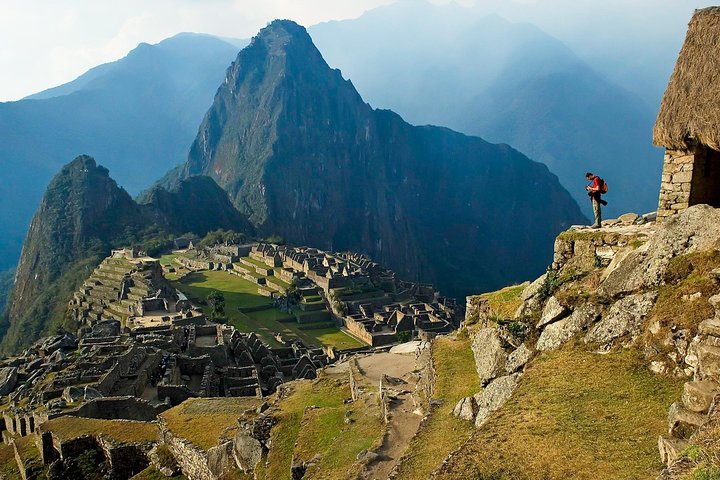


This two-day trip departs from Cusco, heading first into the Sacred Valley. You will visit a local sanctuary to see alpacas and vicuñas before exploring the agricultural terraces of Pisac and the stone fortress of Ollantaytambo. After touring these sites, you will board a train for a scenic ride through the Urubamba Valley to the town of Aguas Calientes. The second day is focused on the Machu Picchu citadel. A local guide will lead you through the ruins, explaining the history and architecture of the site. Once the tour concludes, you will return to Cusco via train and private transport. We limit our group sizes to ensure a more manageable pace and provide direct access to our guides' local expertise.
All sales are final. No refund is available for cancellations.
English, Spanish


This two-day trip begins with a full day in the Sacred Valley, departing directly from your hotel in Cusco. You will visit the traditional town of Chinchero, the circular agricultural terraces at Moray, and the hillside salt mines of Maras. The route continues through Urubamba to the stone fortress of Ollantaytambo before you head to Aguas Calientes to stay overnight. The second day is dedicated to a guided tour of Machu Picchu, timed to reach the citadel as the sun rises. To keep the experience manageable, groups are limited to a maximum of 10 people. The tour includes all transfers, a professional guide fluent in English, Spanish, or Portuguese, and your hotel stay with breakfast in Aguas Calientes. The itinerary is designed to give you enough time at each archaeological site without feeling rushed.
All sales are final. No refund is available for cancellations.
Portuguese, English, Spanish


This two-day private tour begins with a full day exploring the Sacred Valley. You will visit the traditional market and ruins at Chinchero, the circular agricultural terraces of Moray, and the ancient salt mines of Maras. The day concludes at the Ollantaytambo fortress before you board an afternoon train to Aguas Calientes, the town at the base of Machu Picchu. On the second day, you will take a guided tour through the Machu Picchu citadel to learn about its history and architecture. Afterward, there is time to visit the local hot springs in Aguas Calientes before taking the return train to Cusco. This is a fully inclusive service that covers all transportation, entrance fees, and private guiding.
If you cancel at least 6 full day(s) before the scheduled departure time, you will receive a full refund.<br>If you cancel between 2 and 6 day(s) before the scheduled departure time, you will receive a 50% refund.<br>If you cancel within 2 day(s) of the scheduled departure, you will receive a 0% refund.
Portuguese, English, Spanish


This full-day tour focuses on the five most significant archaeological and cultural landmarks in the Sacred Valley. Our guides prioritize clear communication and local insights, moving beyond basic facts to help you understand how these sites functioned during the Inca Empire and their importance today. Midday, the group stops for a comprehensive buffet lunch featuring thirty different Peruvian specialties. This provides a practical way to sample the country's diverse culinary heritage in one sitting. Throughout the excursion, our team handles the logistics and timing, ensuring you have a reliable point of contact for any questions about the history or the region.
For a full refund, cancel at least 24 hours before the scheduled departure time.
English, Spanish


This tour travels through the Sacred Valley, a central region of the Inca Empire located in the Peruvian Andes. You will visit key archaeological sites to see the specialized stonework and engineering the Incas left behind. The route passes through mountain landscapes and agricultural terraces that define this part of the country. Beyond the ruins, the journey stops in several Andean villages where you can experience local culture and try traditional regional cuisine. Professional guides accompany the group to explain the history of the sites and help navigate the local markets and landmarks.
For a full refund, cancel at least 24 hours before the scheduled departure time.
Portuguese, English, Spanish


This tour travels through the heart of the Sacred Valley, visiting the significant archaeological sites of Pisac and Ollantaytambo. You will see how the Incas integrated their stone citadels into the steep mountain landscape and learn about the history of the villages that still occupy these valleys today. After exploring the ruins and local markets in Pisac, the journey continues to Urubamba for a traditional lunch. The day concludes at the fortress of Ollantaytambo, a massive complex that served as both a temple and a defensive stronghold, offering some of the best views and photo opportunities in the region.
For a full refund, cancel at least 24 hours before the scheduled departure time.
English, Spanish


This tour travels through the Sacred Valley to visit the major archaeological sites of Pisac and Ollantaytambo. You will see how the Incas used massive stone blocks to build hillside terraces and fortresses that remain remarkably intact today. The itinerary also includes the salt mines of Maras, where thousands of small pools have been used for salt evaporation since pre-Inca times. Nearby, you will explore Moray, a site featuring deep, circular stone terraces that functioned as an agricultural laboratory for the Inca Empire.
For a full refund, cancel at least 24 hours before the scheduled departure time.
English, Spanish


This half-day tour covers the highlights of the Sacred Valley's highlands by ATV. Starting from the town of Maras, you will ride through local rural roads to reach the ancient salt mines. These thousands of terraced pools are still harvested by local families using traditional methods that date back to pre-Inca times. The journey continues to Moray, an archaeological site famous for its massive circular stone terraces. These structures functioned as an agricultural laboratory for the Inca Empire, where different depths created specific microclimates for testing crops. This trip is designed for those who want to see these historic sites while navigating the open landscapes of the Andean plateau.
For a full refund, cancel at least 24 hours before the scheduled departure time.
English, Spanish


This full-day guided tour leaves from Cusco to explore the major archaeological sites and landscapes of the Sacred Valley. The trip begins with a visit to Chinchero and the circular agricultural terraces of Moray. You will also see the Maras salt mines, an expansive network of ancient evaporation ponds that have been in use since pre-Incan times. The itinerary continues to the prominent ruins of Ollantaytambo and Pisaq, which feature extensive stone masonry and hillside terracing. A stop in the town of Urubamba is also included during the journey through the valley. Throughout the day, your guide provides historical context for each site, explaining the engineering and cultural significance of these locations within the Incan Empire.
For a full refund, cancel at least 24 hours before the scheduled departure time.
English, Spanish


This small-group tour travels through the Sacred Valley with a focus on local culture and history, limited to just 10 guests to ensure a personal atmosphere. The itinerary includes a visit to an animal rescue center to meet llamas and alpacas, a stop at the Taray Viewpoint, and time to explore the Pisac Market. Our English-speaking guides provide context on both ancient Incan sites and modern Andean traditions throughout the day. We manage all the logistics, starting with a pickup from your hotel lobby and ending with a drop-off at the Ollantaytambo train station. The schedule is specifically timed to align with the 3:37 PM and 4:36 PM train departures, giving you a full day of sightseeing without the stress of rushing to catch your connection.
For a full refund, cancel at least 24 hours before the scheduled departure time.
English, Spanish